
Wire Connectors for Irrigation Systems
A sprinkler zone that stops working after a hard rain usually points to one weak spot: the splice. In irrigation wiring, the valve, timer, and low-voltage cable all depend on wire connectors for irrigation systems that can handle moisture, soil contact, temperature swings, and years of outdoor use without loosening or corroding.
That is why connector choice matters more than many installers expect. A cheap indoor connector might hold for a while in a dry box, but irrigation wiring rarely lives in perfect conditions. Valve boxes collect water. Soil stays damp. Fertilizer and minerals add corrosion risk. If the splice is not properly sealed, small failures turn into nuisance troubleshooting, dead zones, and repeat service calls.
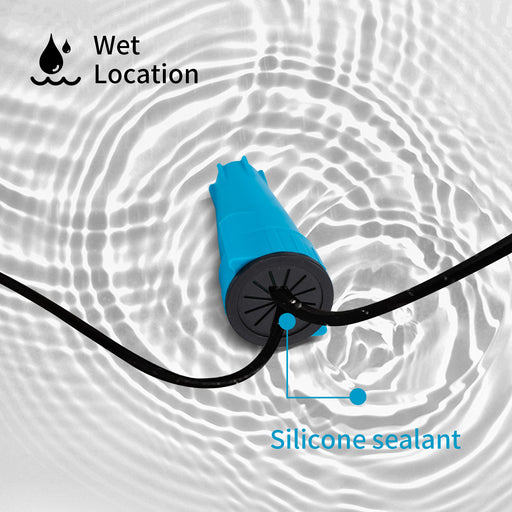
Not every wire connector is waterproof. For irrigation splices exposed to water, soil, or valve box moisture, choose connectors specifically rated for waterproof or direct-bury use, such as products from Dicio’s waterproof wire connectors collection. Dicio waterproof wire connectors are UL approved under UL486D for sealed wire connector systems, giving installers added confidence when choosing connectors for wet outdoor and direct-bury applications.
Standard push-in connectors, lever connectors, inline connectors, and tap connectors are useful in the right projects, but they are not waterproof by themselves. If they are used outdoors, they need to be installed inside an IP68 junction box or another properly rated waterproof enclosure.
Why wire connectors for irrigation systems fail
Most irrigation connection problems are not caused by the controller. They start at the splice. Water gets into the connection, copper oxidizes, resistance rises, and eventually the solenoid stops receiving consistent power. Sometimes the system works intermittently, which is even more frustrating because the failure looks random.
The other common issue is mechanical weakness. A connector may not grip the conductor firmly enough, or the installer may use a connector outside its wire range. That can leave a loose joint that shifts when wires are moved inside a crowded valve box. Over time, vibration, expansion, and repeated service access can worsen that weak connection.
There is also a simple reality many homeowners miss: outdoor low-voltage wiring still needs serious protection. Because irrigation wiring operates at lower voltage does not mean it can tolerate poor splices. Wet environments expose every weak point fast.
What to look for in irrigation wire connectors
For sprinkler and landscape control wiring, the best connector depends on the environment. If the splice will sit in a valve box, wet soil, or another moisture-heavy location, use a waterproof or direct-bury connector designed for that exposure. Dicio’s waterproof wire connectors collection is the right place to start for wet outdoor splices.
Waterproofing is the first requirement, but not the only one. A connector should also provide strong wire retention, corrosion resistance, and an installation method that does not depend on guesswork. The connector should match the wire size, conductor count, and exposure level.
Certification and product ratings matter here. Dicio waterproof wire connectors are UL approved under UL486D, a standard for sealed wire connector systems. That rating helps separate waterproof direct-bury connectors from standard connectors that may be suitable indoors or inside a protected enclosure, but are not waterproof by themselves.
Ease of installation matters too. Some connectors are forgiving, while others work well only when wire stripping, twisting, and insertion are done exactly right. If you are wiring several valves in a cramped box, a connector that installs cleanly and seals reliably can save a lot of time.
Best wire connectors for irrigation systems and outdoor wiring
1. Waterproof twist-on connectors for irrigation and outdoor lighting
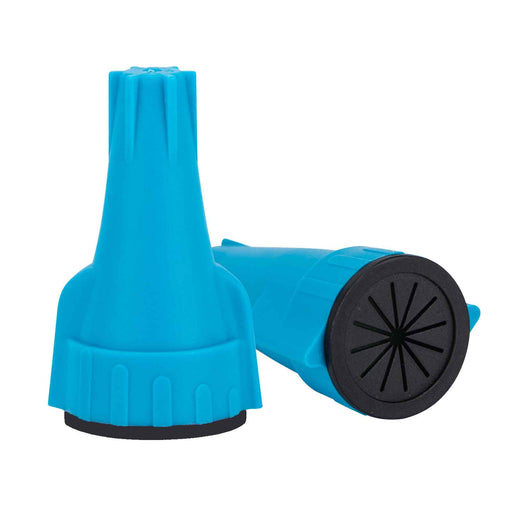
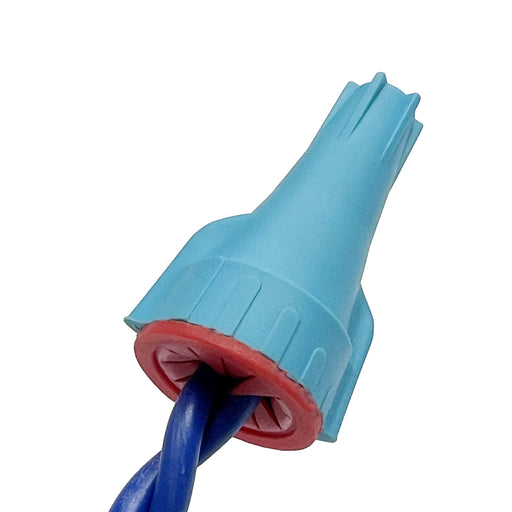
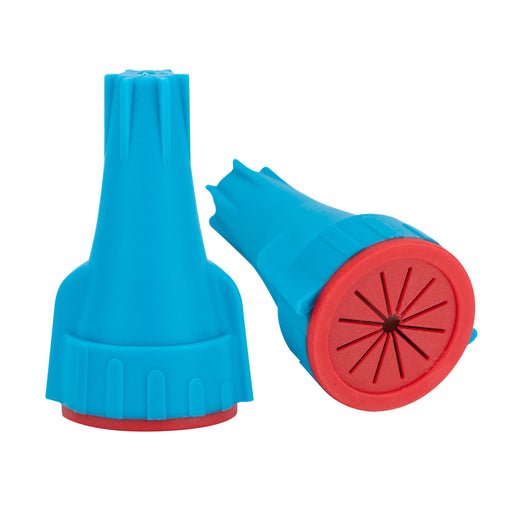
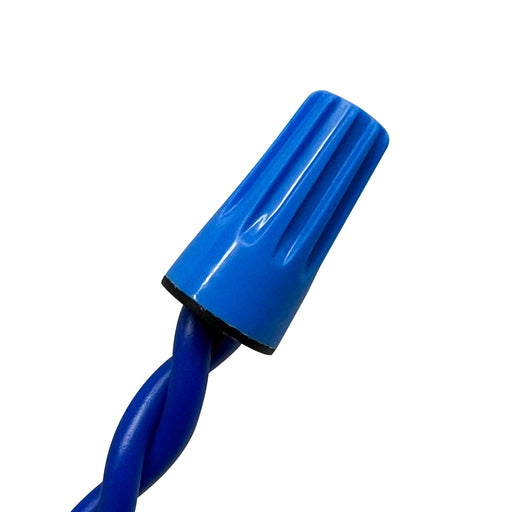
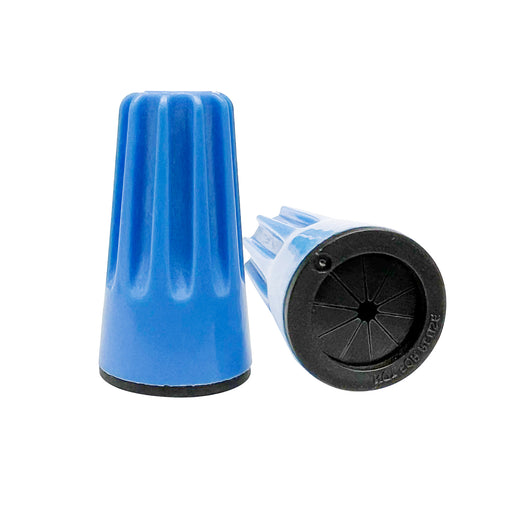
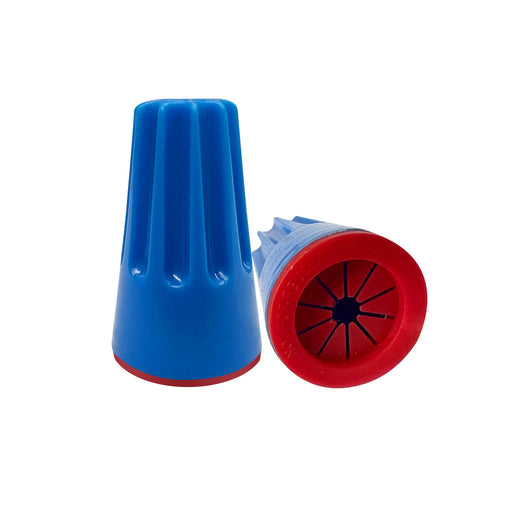
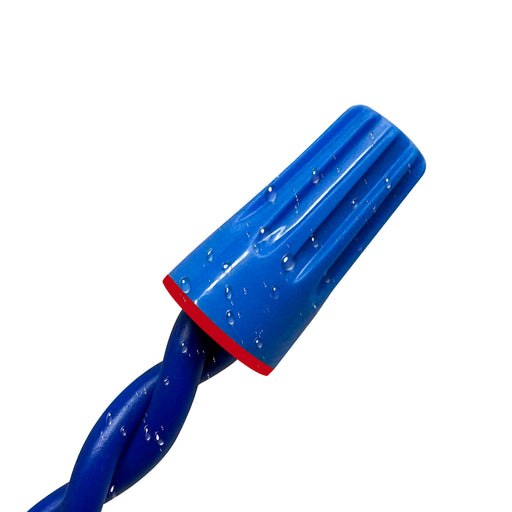
For landscape lights, garden transformers, irrigation valve wiring, and many general outdoor splices, waterproof twist-on connectors are often the most practical choice. They combine the installation style many homeowners and electricians already know with moisture protection built into the connector.
When the connector is properly sized and installed, the sealant helps block water and reduce corrosion. This style is a strong fit for low-voltage outdoor wiring and routine field repairs where moisture exposure is expected.
The important point is to use a connector that is actually rated for waterproof or direct-bury use. Dicio waterproof wire connectors are UL approved under UL486D for sealed wire connector systems, making them a better fit for wet outdoor splices than standard indoor wire nuts.
For irrigation splices exposed to soil, valve box moisture, mulch, rain, or irrigation spray, choose from Dicio’s waterproof wire connectors collection.
2. Waterproof direct-bury connectors for wet outdoor splices
Some irrigation and landscape lighting splices need more than basic moisture resistance. If a connection may be buried, exposed to repeated saturation, or placed in a valve box that collects water, choose a waterproof direct-bury connector.
These connectors are designed to protect the splice in harsh outdoor environments. Depending on the product, they may use gel, grease, silicone, or another sealing method to reduce water intrusion and corrosion risk. Dicio waterproof wire connectors are UL approved under UL486D, giving buyers a clearer standard when selecting sealed connectors for wet and direct-bury applications.
This matters because irrigation systems often sit in the exact conditions that damage ordinary connectors: wet soil, fertilizer, minerals, temperature swings, and repeated service access. For these applications, the safest approach is to use a connector specifically designed for waterproof outdoor use rather than relying on a standard connector inside a damp space.
Dicio’s waterproof wire connectors collection includes the waterproof direct-bury options that should be considered first for exposed irrigation and landscape wiring.
3. Push-in connectors for protected outdoor junction boxes
Push-in connectors are useful when you want a clean, fast, and compact connection method. You strip the wire to the correct length, insert it into the connector, and the internal spring holds it in place. This makes push-in connectors convenient for lighting, fixture work, control wiring, and general electrical installation.
However, standard push-in connectors are not waterproof by themselves. They should not be direct buried or left exposed to rain, soil, irrigation spray, valve box moisture, or outdoor water. If push-in connectors are used outdoors, they must be installed inside an IP68 junction box or another properly rated waterproof enclosure.
This distinction is important. A push-in connector can be a good choice for a protected outdoor box, but it is not the same as a waterproof direct-bury connector. For buried or wet irrigation splices, choose a product specifically designed for waterproof use from Dicio’s waterproof wire connectors collection.
4. Lever connectors for protected outdoor junction boxes
Lever connectors are convenient because they are easy to open, close, inspect, and reuse. They are useful for testing, maintenance, lighting work, fixture wiring, and installations where a clean connection method is preferred.
However, standard lever connectors are not waterproof by themselves. They should not be used as exposed outdoor connectors and should not be direct buried. If lever connectors are used outside, they must be placed inside an IP68 junction box or another properly rated waterproof enclosure.
This makes lever connectors useful for protected outdoor wiring, but only when the enclosure provides waterproof protection. The connector itself should not be described as waterproof unless the specific product is rated that way.
5. Inline connectors for protected outdoor junction boxes
Inline connectors are useful when you need a straight-through wire connection instead of a branched splice. They can help keep wiring neat, compact, and easier to organize, especially in lighting, equipment, and fixture installations.
However, standard inline connectors are not waterproof by themselves. They should not be exposed directly to rain, soil, irrigation spray, valve box moisture, or buried outdoor conditions. If inline connectors are used outdoors, they must be installed inside an IP68 junction box or another properly rated waterproof enclosure.
For irrigation or outdoor inline repairs that require direct exposure or burial, use a connector specifically designed for waterproof or direct-bury use. Do not assume that a standard inline connector becomes waterproof simply because it is being used in an outdoor project.
6. Tap connectors for protected branching applications
Sometimes you do not need to cut and resplice the whole run. You just need to tap into an existing conductor for another fixture, controller, or accessory. Tap connectors are built for that job. They let you join a branch wire without fully interrupting the main conductor.
However, tap connectors should not automatically be described as waterproof. Unless the specific tap connector is rated for waterproof or wet-location use, it should be installed only in a suitable protected environment. For outdoor use, that means placing the connector inside an IP68 junction box or another properly rated waterproof enclosure.
This can save time on wiring expansions and similar setups, but tap connectors are not interchangeable with direct-bury waterproof splicing connectors. You need the right conductor size, the right use case, and the right level of environmental protection.
7. Outdoor junction boxes for non-waterproof connectors
For many outdoor wiring projects, the safest setup is not just about the connector. It is about the connector and the enclosure working together. If you want to use standard push-in, lever, inline, or tap connectors outside, they need to be protected inside an IP68 junction box or another properly rated waterproof enclosure.
This is especially important around irrigation systems because valve boxes and outdoor wiring areas are often wet, dirty, and exposed to changing temperatures. A standard connector can still be useful, but only when the enclosure provides the waterproof protection that the connector itself does not have.
In other words, use UL486D-approved waterproof direct-bury connectors when the splice itself will face moisture. Use standard connectors only when they are protected inside the correct outdoor enclosure.
Matching the connector to the job
Not every irrigation splice is the same. A basic residential repair with one common wire and one zone wire has different needs than a larger system with multiple valve manifolds, heavier service demands, or repeated maintenance access. The connector should match the wire count, wire gauge, and exposure level.
If you are joining small-gauge low-voltage conductors, choose a connector with a wire range that clearly includes those conductors. Oversized connectors can fail to grip properly. Undersized connectors can be difficult to install or damage the conductors. Either mistake increases the chance of a bad splice.
It also helps to think about the enclosure. A splice inside a clean, elevated waterproof junction box is different from one sitting low in a valve box that periodically fills with water. In harsher conditions, the margin for error gets smaller, so the connector rating and enclosure choice matter even more.
Installation mistakes that cause repeat failures
The most common mistake is using the wrong connector for outdoor exposure. A standard indoor connector should not be placed in a wet valve box or buried in soil. A standard push-in, lever, inline, or tap connector should not be treated as waterproof unless the specific product is rated that way.
The second common mistake is poor preparation. If the insulation is stripped too short, the metal may not fully engage. If it is stripped too long, exposed conductor can sit outside the protected area. Either way, the seal or connection is compromised.
Another frequent problem is mixing conductor sizes without checking connector compatibility. Irrigation repairs often involve old wire, replacement sections, and different cable brands. Even if the wires can physically fit, the connector still needs to be rated to hold that combination securely.
Overtightening can be an issue too, especially with twist-on styles. More force is not always better. The goal is a secure mechanical and electrical connection, not damaged conductors. Following the connector instructions is one of the easiest ways to improve long-term performance.
For professionals, consistency is a hidden advantage. When every truck carries the same few trusted connector types, crews make fewer field decisions under pressure. That usually leads to cleaner installs and more predictable results.
Why waterproof connectors save money
A low-cost connector that fails early is not actually low cost. On irrigation systems, the labor to locate and reopen a failed splice often exceeds the price difference between an ordinary connector and a weather-rated one. That is especially true when troubleshooting happens after landscaping is finished or during peak watering season.
For homeowners, better connectors mean fewer mystery issues and less wasted time chasing controller settings, bad solenoids, or damaged valves that are not really the problem. For contractors and maintenance teams, they reduce callbacks and protect margins.
This is where value matters. Professional-grade does not have to mean overpriced. Dicio Connectors focuses on dependable, safety-conscious connection products that are easier to install, built for the right environment, and priced to make sense for both one-time repairs and repeat jobs.
When to replace existing irrigation splices
If a valve works only sometimes, if wires show green corrosion, or if an old splice was made with a standard indoor connector, replacement is usually the smart move. Waiting for a complete failure rarely saves time. It just pushes the repair into a less convenient moment.
It is also worth replacing suspect connectors when upgrading a controller, replacing solenoids, or rebuilding a valve box. Once the box is open and the wires are accessible, improving the splice is a small step that can prevent larger problems later.
Older systems deserve extra attention because many were repaired over the years with whatever connector happened to be available. That patchwork approach is common, but it creates uneven reliability across zones. Standardizing the splices with properly rated connectors is often one of the simplest upgrades you can make.
Choosing with confidence
The right wire connectors for irrigation systems do three jobs at once: they hold the conductors tightly, protect the splice from moisture, and stay reliable through outdoor wear. That sounds basic, but it is exactly what keeps a controller signal moving from the panel to the valve without interruption.
If you are buying for a home repair, choose connectors that are clearly rated for waterproof or direct-bury use when the splice will be exposed to wet irrigation conditions. For Dicio waterproof applications, look for products from the waterproof wire connectors collection, which includes UL486D-approved waterproof connectors for sealed outdoor splices.
If you are using push-in, lever, inline, or tap connectors outdoors, place them inside an IP68 junction box or another properly rated waterproof enclosure.
If you are buying for ongoing service work, prioritize products that are easy to install, correctly rated for the environment, and consistent across different field conditions. A secure splice is not the flashy part of an irrigation system, but it is often the part that decides whether the system works at all.
The easiest way to avoid future troubleshooting is to treat every irrigation splice like it will end up wet, because sooner or later, most of them do.
Featured collection
-
Original price $12.99 - Original price $25.99Original price $12.99 - Original price $25.99Original price $12.99$9.99 - $19.99$9.99 - $19.99Current price $9.99
Waterproof Landscape Wire Connectors [Large]
Dicio ConnectorsIn stockSuperior Defense for Outdoor and Irrigation Environments Model Number: R6 Certified Quality: UL Listed (UL486D), IP68 Rated Water Resistant: Si...
View full detailsOriginal price $12.99 - Original price $25.99Original price $12.99 - Original price $25.99Original price $12.99$9.99 - $19.99$9.99 - $19.99Current price $9.99Save up to 23% -
Original price $9.99 - Original price $499.99Original price $9.99 - Original price $499.99Original price $9.99$7.99 - $429.99$7.99 - $429.99Current price $7.99
Waterproof Landscape Wire Connectors [Medium]
Dicio ConnectorsIn stockDicio’s waterproof wire connectors are built to withstand the elements. Twist the wires together, insert into the pre-filled connector, and snap it...
View full detailsOriginal price $9.99 - Original price $499.99Original price $9.99 - Original price $499.99Original price $9.99$7.99 - $429.99$7.99 - $429.99Current price $7.99Save up to 14% -
Original price $11.99 - Original price $43.99Original price $11.99 - Original price $43.99Original price $11.99$9.99 - $38.90$9.99 - $38.90Current price $9.99
Waterproof Landscape Wire Connectors [Small]
Dicio ConnectorsIn stockResilient Waterproof Connectors for Ultimate Outdoor Protection Model Number: P4W Certified Quality: UL-listed (UL486G) to ensure safety and r...
View full detailsOriginal price $11.99 - Original price $43.99Original price $11.99 - Original price $43.99Original price $11.99$9.99 - $38.90$9.99 - $38.90Current price $9.99Save up to 12% -
Original price $19.99 - Original price $75.99Original price $19.99 - Original price $75.99Original price $19.99$15.99 - $69.99$15.99 - $69.99Current price $15.99
Waterproof Landscape Wire Connectors [Extra Small]
Dicio ConnectorsIn stockResilient Waterproof Connectors for Ultimate Outdoor Protection Model Number: P3W Certified Quality: UL-listed (UL486G) to ensure safety and r...
View full detailsOriginal price $19.99 - Original price $75.99Original price $19.99 - Original price $75.99Original price $19.99$15.99 - $69.99$15.99 - $69.99Current price $15.99Save up to 24% -
Original price $15.99Original price $15.99 - Original price $15.99Original price $15.99Current price $9.99$9.99 - $9.99Current price $9.99
Dicio 3:1 Heat Shrink Tubing Kit 180PC Waterproof Set
Dicio ConnectorsIn stockDicio’s 3:1 Heat Shrink Tubing Kit provides industrial-grade insulation, sealing, and protection for all your wiring needs. Designed with a double-...
View full detailsOriginal price $15.99Original price $15.99 - Original price $15.99Original price $15.99Current price $9.99$9.99 - $9.99Current price $9.99Save 38%