
Best Waterproof Wire Connectors for Outdoor Splices
If you have ever chased down a dead landscape light after a hard rain, you already know why the best waterproof wire connectors matter. Outdoor splices fail for simple reasons: moisture gets in, corrosion starts, and a connection that looked fine on day one turns unreliable fast. The right connector helps prevent that, but only if it matches the wire, the environment, and the job.
Not every wire connector is waterproof. For outdoor splices that will be exposed to rain, soil, irrigation spray, or direct burial, you need a connector specifically designed for waterproof or direct-bury use. Dicio’s waterproof and direct-bury options are grouped in the waterproof wire connectors collection.
Other connector types, including push-in connectors, lever connectors, inline connectors, and tap connectors, can still be useful for outdoor projects, but they are not waterproof by themselves. If they are used outside, they need to be installed inside an IP68 junction box or another properly rated waterproof enclosure.
What makes the best waterproof wire connectors?
The best waterproof wire connectors should do more than hold wires together. They need to help keep water away from the conductors, reduce corrosion risk, and maintain a stable connection through outdoor exposure.
For direct-bury applications, the connector itself must be rated for waterproof use. These connectors often use gel, grease, silicone, or another sealing method to protect the splice from moisture. A regular connector placed outdoors does not become waterproof just because it is used in an outdoor project.
This distinction matters because outdoor wiring has different levels of exposure. A splice buried in soil needs a waterproof direct-bury connector. A connection inside an outdoor junction box may use a standard connector only if the box provides proper waterproof protection. For push-in, lever, inline, or tap connectors used outdoors, an IP68 junction box or another properly rated waterproof enclosure is required.
The best waterproof wire connectors for common jobs
1. Waterproof twist-on connectors for outdoor lighting
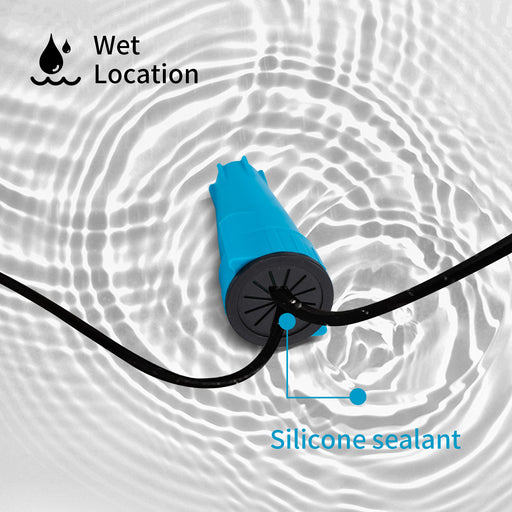
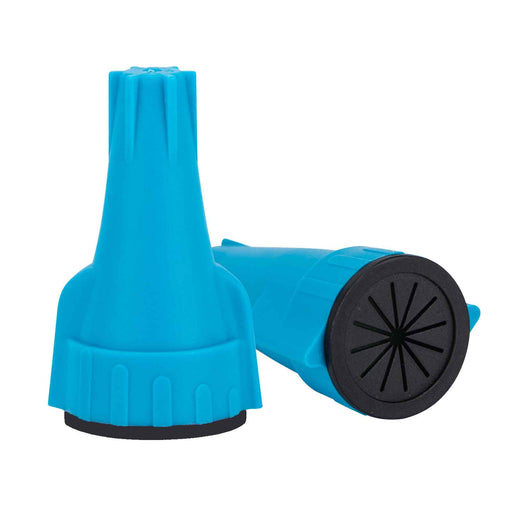
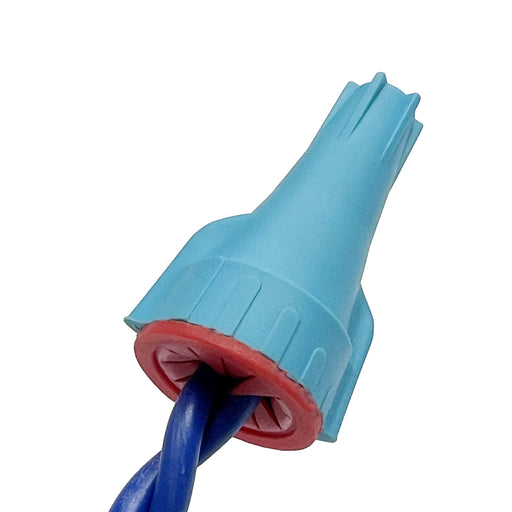
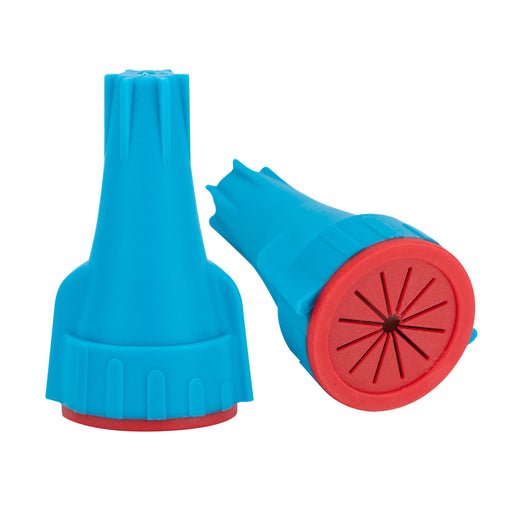
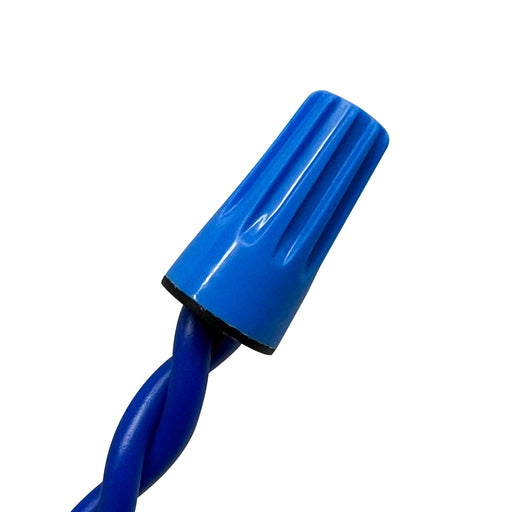
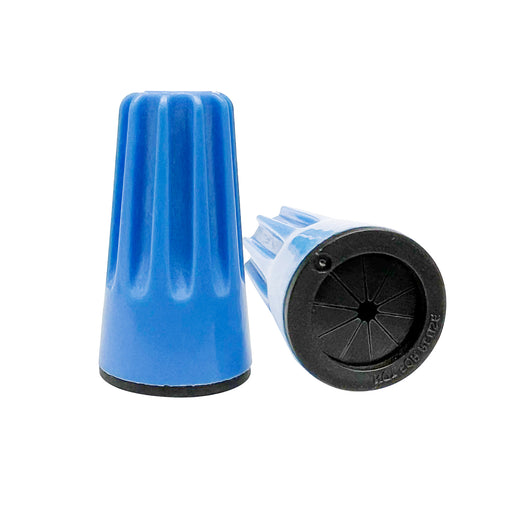
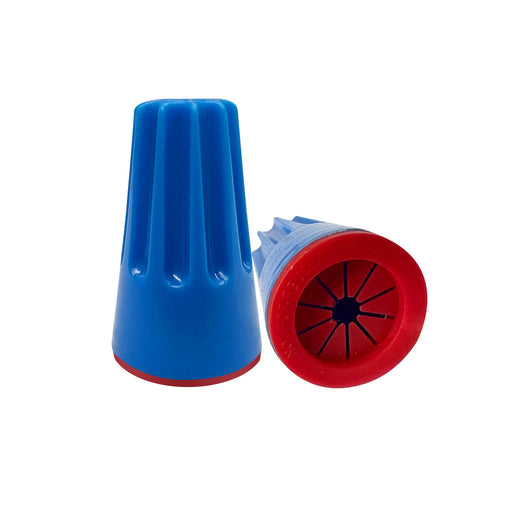
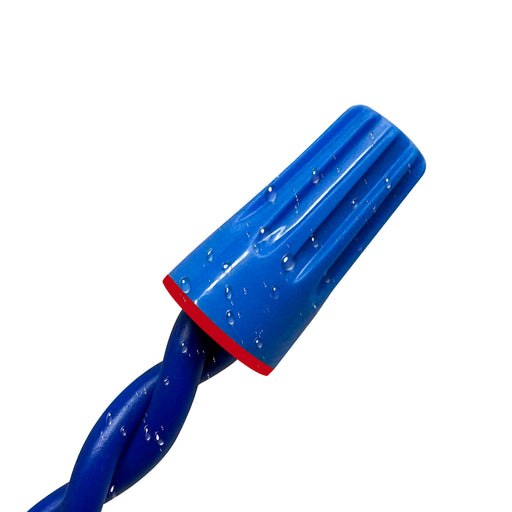
For landscape lights, garden transformers, and many general outdoor splices, waterproof twist-on connectors are often the most practical choice. They combine a familiar installation style with built-in moisture protection. When the connector is properly sized and installed, the sealant helps block water and reduce corrosion.
This style is a strong fit for low-voltage lighting, garden wiring, and routine outdoor repairs. It is also useful when you want a simple and budget-friendly solution for common copper wire splices.
The important point is to use a connector that is actually rated for waterproof or direct-bury use. A standard indoor wire nut should not be used as a direct replacement for a waterproof outdoor connector.
For outdoor splices exposed to soil, mulch, rain, or irrigation spray, choose from Dicio’s waterproof wire connectors collection.
2. Waterproof connectors for larger outdoor splices
Some outdoor jobs need more room for larger wire combinations. In those cases, choose a waterproof connector that matches the wire size and number of conductors in the splice. A connector that is too small can be difficult to install correctly, while one that is too large may not seal the connection properly.
This matters for landscape lighting runs, irrigation systems, and other outdoor wiring projects where the splice may sit near soil, water, or changing temperatures. The connector should be selected based on the actual wire combination, not just the shape or appearance of the product.
For larger waterproof outdoor splices, check Dicio’s waterproof wire connectors collection and choose the size that matches your application.
3. Push-in connectors for protected outdoor junction boxes
Push-in connectors are useful when you want a clean, fast, and compact connection method. You strip the wire to the correct length, insert it into the connector, and the internal spring holds it in place. This makes push-in connectors convenient for lighting, fixture work, control wiring, and general electrical installation.
However, standard push-in connectors are not waterproof by themselves. They should not be direct buried or left exposed to rain, soil, irrigation spray, or outdoor moisture. If push-in connectors are used outdoors, they must be installed inside an IP68 junction box or another properly rated waterproof enclosure.
This distinction is important. A push-in connector can be a good choice for a protected outdoor box, but it is not the same as a waterproof direct-bury connector. For buried or wet-location splices, choose a product specifically designed for waterproof use from Dicio’s waterproof wire connectors collection.
4. Lever connectors for protected outdoor junction boxes
Lever connectors are convenient because they are easy to open, close, inspect, and reuse. They are useful for testing, maintenance, lighting work, fixture wiring, and installations where a clean connection method is preferred.
However, standard lever connectors are not waterproof by themselves. They should not be used as exposed outdoor connectors and should not be direct buried. If lever connectors are used outside, they must be placed inside an IP68 junction box or another properly rated waterproof enclosure.
This makes lever connectors useful for protected outdoor wiring, but only when the enclosure provides the waterproof protection. The connector itself should not be described as waterproof unless the specific product is rated that way.
5. Inline connectors for protected outdoor junction boxes
Inline connectors are useful when you need a straight-through wire connection instead of a branched splice. They can help keep wiring neat, compact, and easier to organize, especially in lighting, equipment, and fixture installations.
However, standard inline connectors are not waterproof by themselves. They should not be exposed directly to rain, soil, irrigation spray, or buried outdoor conditions. If inline connectors are used outdoors, they must be installed inside an IP68 junction box or another properly rated waterproof enclosure.
For outdoor inline repairs that require direct exposure or burial, use a connector specifically designed for waterproof or direct-bury use. Do not assume that a standard inline connector becomes waterproof simply because it is being used in an outdoor project.
6. Tap connectors for protected branching applications
Sometimes you do not need to cut and resplice the whole run. You just need to tap into an existing conductor for another fixture, controller, or accessory. Tap connectors are built for that job. They let you join a branch wire without fully interrupting the main conductor.
However, tap connectors should not automatically be described as waterproof. Unless the specific tap connector is rated for waterproof or wet-location use, it should be installed only in a suitable protected environment. For outdoor use, that means placing the connector inside an IP68 junction box or another properly rated waterproof enclosure.
This can save time on wiring expansions and similar setups, but tap connectors are not interchangeable with direct-bury waterproof splicing connectors. You need the right conductor size, the right use case, and the right level of environmental protection.
7. Specialty connectors for protected or mixed environments
Some jobs call for more than a basic wire connector. If you are working with an outdoor junction box, exposed enclosure, or a mix of environmental challenges, the connector and the enclosure need to work together.
In some cases, the connector itself is waterproof. In other cases, the connector must be protected by an IP68 junction box or another properly rated waterproof enclosure. This category can include push-in connectors, lever connectors, tap connectors, inline connectors, and other specialty connection styles.
These products can be very useful when matched to the right environment, but they should not be presented as waterproof unless the specific product is rated that way. The safest approach is to clearly separate waterproof direct-bury connectors from standard connectors that require a protected box or enclosure.
How to choose the right waterproof wire connector
Start with the environment. A splice buried near irrigation spray needs a waterproof direct-bury connector. A connection inside a dry indoor junction box can use a standard connector. A connection outdoors inside an IP68 junction box may be able to use a standard push-in, lever, inline, or tap connector, as long as the enclosure provides the required waterproof protection.
Next, check the wire size and wire count. Waterproof wire connectors rely on a proper fit. If the connector is too small, the wires may not seat correctly. If it is too large, the seal may not protect the splice as intended. Product specifications are not just technical details. They are what determine whether the connector can do its job.
Then check whether the connector itself is waterproof. If the product is not specifically designed for waterproof or direct-bury use, do not install it as if it can handle direct outdoor exposure. Push-in connectors, lever connectors, inline connectors, and tap connectors can be convenient, but standard versions need an IP68 junction box when used outside.
Installation method also matters. Waterproof twist-on connectors are familiar and affordable. Push-in, lever, inline, and tap connectors are clean and convenient inside protected boxes. The best connector is the one that matches the environment, fits the wire, and can be installed correctly every time.
Common mistakes that cause outdoor wire connections to fail
Most failures start before the connector is even installed. Wire that is nicked during stripping, corrosion left on old conductors, or mismatched wire combinations can all weaken the seal and the electrical contact. Moisture protection does not fix poor wire preparation.
Another common problem is using indoor connectors outside because the splice is tucked behind a fixture or placed inside a loose cover. Outdoor conditions have a way of finding weak points. Condensation, temperature swings, rain, and splash exposure can still break down an unprotected connection.
A very common mistake is assuming that push-in, lever, or inline connectors are waterproof by themselves. Standard push-in connectors, lever connectors, and inline connectors are not direct-bury waterproof connectors. If they are used outdoors, they need to be inside a proper IP68 junction box or waterproof enclosure.
Overfilling a connector with too many conductors is another easy mistake. If the wire count or gauge range exceeds the specification, the connector may feel secure without actually making a safe mechanical and electrical connection. Always choose the connector based on the actual wire combination and application.
Best waterproof wire connectors are the ones rated for the work
There is no single winner for every project. For direct-bury outdoor splices, choose connectors specifically rated for waterproof use from Dicio’s waterproof wire connectors collection.
For indoor or protected outdoor wiring, standard push-in connectors, lever connectors, inline connectors, tap connectors, and other connector types may still be useful, but they need the right enclosure and installation environment. If they are used outdoors, they should be protected inside an IP68 junction box or another properly rated waterproof enclosure.
A good outdoor splice should not leave you wondering whether the lights will come back on after the next storm. Choose a connector rated for the environment, sized for the wire, and simple enough to install right the first time.
Featured collection
-
Original price $12.99 - Original price $25.99Original price $12.99 - Original price $25.99Original price $12.99$9.99 - $19.99$9.99 - $19.99Current price $9.99
Waterproof Landscape Wire Connectors [Large]
Dicio ConnectorsIn stockSuperior Defense for Outdoor and Irrigation Environments Model Number: R6 Certified Quality: UL Listed (UL486D), IP68 Rated Water Resistant: Si...
View full detailsOriginal price $12.99 - Original price $25.99Original price $12.99 - Original price $25.99Original price $12.99$9.99 - $19.99$9.99 - $19.99Current price $9.99Save up to 23% -
Original price $9.99 - Original price $499.99Original price $9.99 - Original price $499.99Original price $9.99$7.99 - $429.99$7.99 - $429.99Current price $7.99
Waterproof Landscape Wire Connectors [Medium]
Dicio ConnectorsIn stockDicio’s waterproof wire connectors are built to withstand the elements. Twist the wires together, insert into the pre-filled connector, and snap it...
View full detailsOriginal price $9.99 - Original price $499.99Original price $9.99 - Original price $499.99Original price $9.99$7.99 - $429.99$7.99 - $429.99Current price $7.99Save up to 14% -
Original price $11.99 - Original price $43.99Original price $11.99 - Original price $43.99Original price $11.99$9.99 - $38.90$9.99 - $38.90Current price $9.99
Waterproof Landscape Wire Connectors [Small]
Dicio ConnectorsIn stockResilient Waterproof Connectors for Ultimate Outdoor Protection Model Number: P4W Certified Quality: UL-listed (UL486G) to ensure safety and r...
View full detailsOriginal price $11.99 - Original price $43.99Original price $11.99 - Original price $43.99Original price $11.99$9.99 - $38.90$9.99 - $38.90Current price $9.99Save up to 12% -
Original price $19.99 - Original price $75.99Original price $19.99 - Original price $75.99Original price $19.99$15.99 - $69.99$15.99 - $69.99Current price $15.99
Waterproof Landscape Wire Connectors [Extra Small]
Dicio ConnectorsIn stockResilient Waterproof Connectors for Ultimate Outdoor Protection Model Number: P3W Certified Quality: UL-listed (UL486G) to ensure safety and r...
View full detailsOriginal price $19.99 - Original price $75.99Original price $19.99 - Original price $75.99Original price $19.99$15.99 - $69.99$15.99 - $69.99Current price $15.99Save up to 24% -
Original price $15.99Original price $15.99 - Original price $15.99Original price $15.99Current price $9.99$9.99 - $9.99Current price $9.99
Dicio 3:1 Heat Shrink Tubing Kit 180PC Waterproof Set
Dicio ConnectorsLow stockDicio’s 3:1 Heat Shrink Tubing Kit provides industrial-grade insulation, sealing, and protection for all your wiring needs. Designed with a double-...
View full detailsOriginal price $15.99Original price $15.99 - Original price $15.99Original price $15.99Current price $9.99$9.99 - $9.99Current price $9.99Save 38%