
Choosing Holiday Light Wire Connectors
If your holiday display works perfectly on day one but starts flickering after the first cold rain, the problem is often at the splice. Holiday light wire connectors matter more than most people expect because they sit at the exact point where moisture, movement, and repeated seasonal handling can cause failure. A good connection does not just keep lights on. It helps prevent corrosion, loose conductors, nuisance outages, and unsafe repairs.
For homeowners, DIY decorators, and installers, the right choice comes down to one basic question: what kind of environment will the connection live in? That answer determines whether you need a waterproof direct-bury connector, a standard connector inside a properly rated enclosure, or a fast indoor-only option for protected spaces. There is no one-size-fits-all answer, and that is where many holiday lighting problems start.
Waterproof protection is one of Dicio’s hero product categories, but not every Dicio connector is waterproof. Only specific waterproof-rated connectors are suitable for wet-location or direct-bury applications. For exposed wet outdoor splices, choose connectors from Dicio’s waterproof wire connectors collection. Standard lever connectors, push-in connectors, inline connectors, and tap connectors should be used indoors or inside an IP68 junction box or another properly rated waterproof enclosure when used outdoors.
What holiday light wire connectors actually need to handle
Holiday lighting puts connectors through a rough cycle. Wires get bent during setup, pulled during takedown, and stored in bins for months. Outdoor displays also deal with temperature swings, UV exposure, humidity, and wind vibration. Even a small connection point can become a weak link if it is not matched to the job.
That is why the best connector is not always the fastest one to install. In a garage, porch ceiling, or other protected area, ease of use may be the top priority. In a yard display, roofline run, or landscape setup exposed to weather, protection from moisture becomes far more important. If the connection is truly exposed to rain, wet soil, irrigation spray, or melting snow, use a connector rated for waterproof outdoor use or place the splice inside an IP68 junction box or another properly rated waterproof enclosure.
Holiday light wire connectors for outdoor use
Outdoor use is where people make the biggest mistake. They assume any connector used outside is automatically weatherproof. That is not true. Many common connectors work well, but only when they are installed in a protected environment.
When waterproof connectors are the right fit
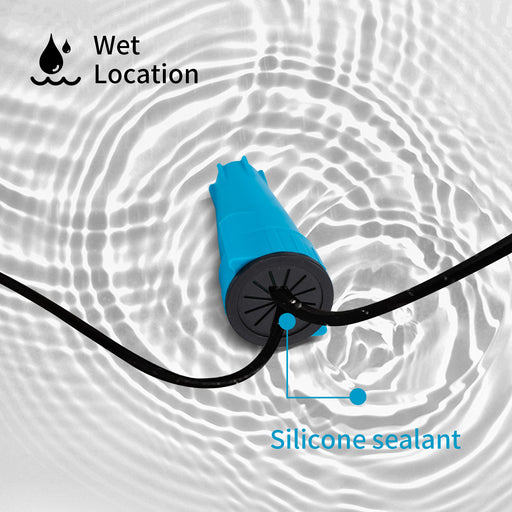
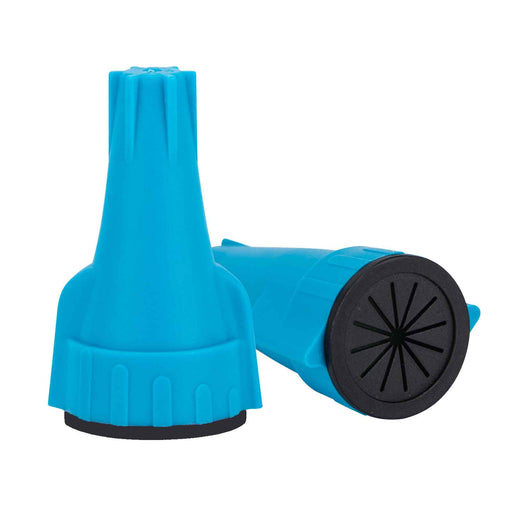
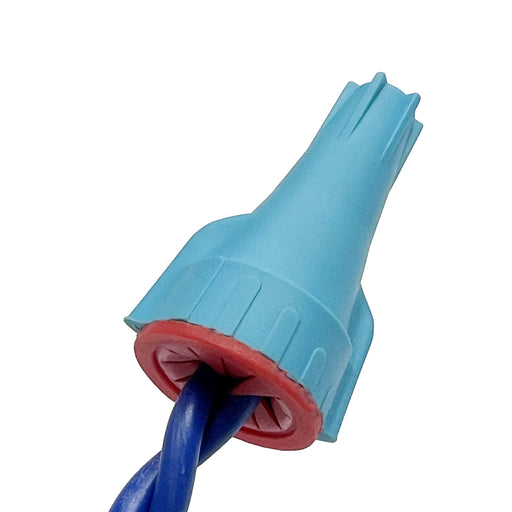
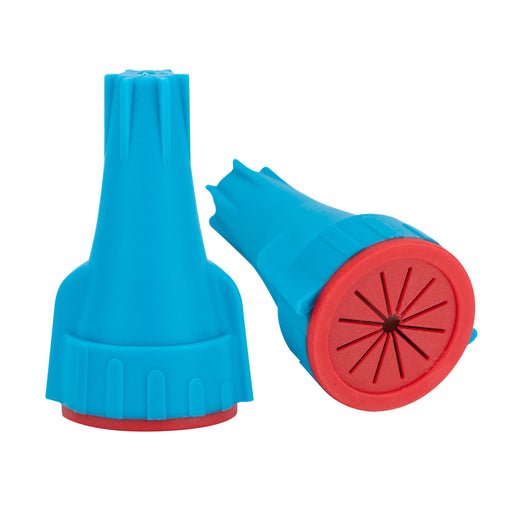
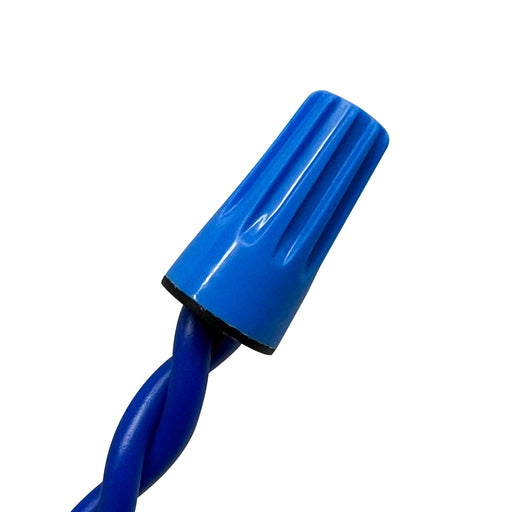
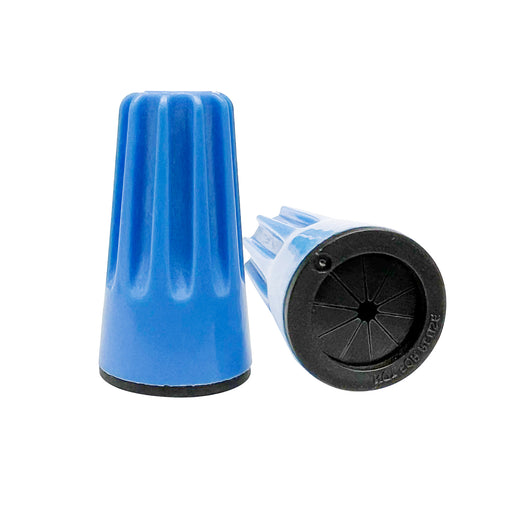
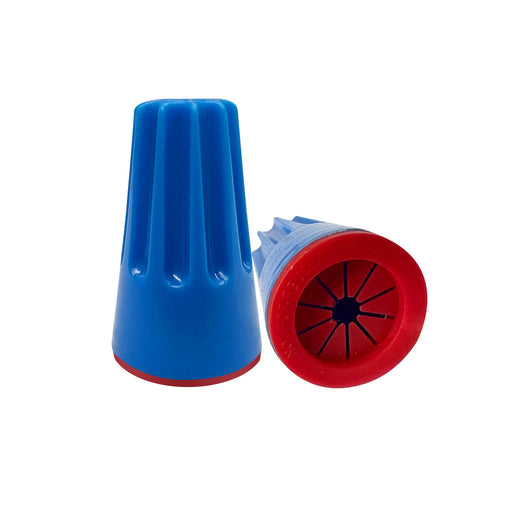
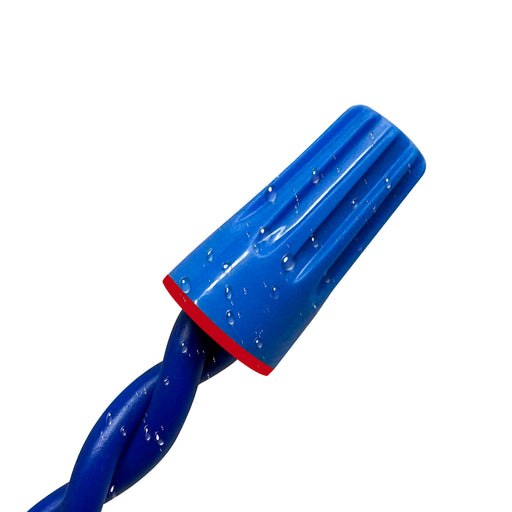
If you are splicing low-voltage holiday lighting in a wet location, near landscaping, or anywhere moisture is likely to reach the connection directly, a waterproof connector is worth serious attention. Waterproof twist-on connectors designed for outdoor use are built to seal the splice and reduce water intrusion. In the right application, they help protect the connection from corrosion and early failure.
Dicio waterproof wire connectors are UL approved under UL486D for sealed wire connector systems. For wet outdoor or direct-bury splices, start with Dicio’s waterproof wire connectors collection instead of assuming a standard connector will work outdoors.
This matters even more for displays that stay up for weeks in winter weather. Rain, melting snow, and sprinkler overspray can all work their way into an unprotected splice. A connector made for wet conditions gives you a stronger margin of safety than a standard indoor connector used out in the open.
When a standard connector is still fine
Not every outdoor holiday wiring job needs a waterproof connector, but standard connectors still need proper protection. If the splice will sit inside an IP68 junction box or another properly rated waterproof enclosure, a standard lever, push-in, inline, or tap connector may be a practical option.
These connectors are useful for protected installations, but they are not substitutes for waterproof direct-bury connectors in exposed wet locations. If the enclosure does the protection work, the connector can focus on making a secure electrical connection. If the splice itself will face water, soil, or repeated outdoor moisture, choose a waterproof-rated connector instead.
How to choose the right connector type
The best way to choose is to start with the wire, the voltage, and the environment.
For many holiday displays, especially landscape-style setups and yard decorations, low-voltage wiring is common. If you are splicing low-voltage cable outdoors in a wet location, waterproof twist-on connectors are often the most sensible option. They are familiar to many users, affordable, and practical for repeated holiday projects. For Dicio waterproof applications, use products from the waterproof wire connectors collection, which includes UL486D-approved waterproof connectors for sealed outdoor splices.
If you are wiring in a dry indoor area or inside a suitable IP68 outdoor enclosure, lever connectors can be attractive because they simplify the job. Lift, insert, close. That format is useful when you are making several connections quickly or working with conductors that may need to be disconnected later. But standard lever connectors are not waterproof by themselves and should not be exposed directly to outdoor moisture.
Push-in connectors can also save time in protected installations where speed and simplicity matter. They are especially helpful for straightforward indoor or enclosed splices. But again, the enclosure matters. If the connection will be exposed to direct moisture, use a connector specifically rated for that environment or protect the splice with an IP68 junction box or another properly rated waterproof enclosure.
Inline connectors and tap connectors follow the same rule. They can be useful for clean wiring, branching, or protected installs, but they should not be treated as waterproof unless the specific product is rated that way. For outdoor use, standard inline and tap connectors need to be installed inside an IP68 junction box or another properly rated waterproof enclosure.
Wire size also matters. A connector that does not match the conductor range can create a weak mechanical hold or a poor electrical contact. Before installing anything, verify the connector is rated for the gauge and number of conductors in the splice. That step is easy to skip during holiday setup, especially when you are trying to finish before dark, but it prevents a lot of trouble later.
Safety and certification are not extras
Holiday lighting tends to bring out rushed installs. Temporary does not mean low-risk. A seasonal display still needs a secure connection, proper insulation, and a connector suited to the environment.
For waterproof outdoor splices, look for connectors that are clearly rated for wet-location or direct-bury use. Dicio waterproof wire connectors are UL approved under UL486D for sealed wire connector systems, while standard Dicio connector types should be selected according to their own product specifications and protected in an IP68 junction box when used outdoors.
Certification does not replace correct installation, but it gives you confidence that the product was evaluated to recognized safety standards. For homeowners and trade users alike, that matters because a splice hidden behind decorations can be hard to inspect once the display is live.
A low-cost connector is only a good value if it holds up. If a cheap splice fails and sends you back onto a ladder in bad weather, it was not really the budget option after all. Dicio Connectors focuses on that middle ground people actually want: dependable products, clear use-case fit, and pricing that makes sense for one project or repeat installs.
Common mistakes with holiday lighting splices
One common problem is mixing indoor-use habits with outdoor conditions. People use a connector that worked fine in a basement or garage, then place the same connector in an exposed flower bed or along a fence line. The result is often intermittent lights, green corrosion, or a dead section of the display.
Another issue is strain. Holiday wires get tugged constantly. If a splice is left hanging without support, even a good connector can be stressed over time. Try to keep connections stable, protected, and out of standing water. An IP68 junction box, cable tie management, or a better routing path can make a visible difference in reliability.
A third mistake is assuming that a standard connector becomes waterproof because it is used outdoors. Standard lever connectors, push-in connectors, inline connectors, and tap connectors are not waterproof by themselves. If they are used outdoors, they need an IP68 junction box or another properly rated waterproof enclosure.
The last mistake is reusing damaged wire ends. If copper is nicked, heavily oxidized, or poorly stripped, the connector has less to work with. A fresh strip on clean conductor ends gives the splice a better chance of staying secure through the season.
A practical way to decide
If you are working indoors, or outdoors inside an IP68 junction box or another properly rated waterproof enclosure, standard lever, push-in, inline, or tap connectors may be practical options. They are fast, clean, and easy to verify during installation.
If you are making exposed outdoor splices in wet locations, especially with low-voltage holiday or landscape-style lighting, waterproof twist-on connectors are usually the better match. They are built for conditions that standard connectors should not be asked to handle on their own.
If you are unsure, do not guess based on appearance. A connector can look rugged and still not be rated for wet exposure. Check whether the connector itself is made for waterproof use, and if it is not, plan to use an IP68 junction box or another properly rated waterproof enclosure.
That extra minute of planning is what keeps a holiday display from turning into a troubleshooting project.
Why the right connector saves time later
People often shop connectors by price per piece, but holiday lighting jobs are better judged by price per reliable season. A connector that installs cleanly, holds the wire firmly, and suits the environment reduces callbacks, rework, and mid-season failures. That is true whether you are decorating your own home or handling multiple installs for customers.
Good holiday lighting should look simple from the street. Behind that simplicity is a series of small choices that keep every section powered and protected. Start with the splice, match the connector to the environment, and your lights have a much better chance of staying bright through the season.
Featured collection
-
Original price $12.99 - Original price $25.99Original price $12.99 - Original price $25.99Original price $12.99$9.99 - $19.99$9.99 - $19.99Current price $9.99
Waterproof Landscape Wire Connectors [Large]
Dicio ConnectorsIn stockSuperior Defense for Outdoor and Irrigation Environments Model Number: R6 Certified Quality: UL Listed (UL486D), IP68 Rated Water Resistant: Si...
View full detailsOriginal price $12.99 - Original price $25.99Original price $12.99 - Original price $25.99Original price $12.99$9.99 - $19.99$9.99 - $19.99Current price $9.99Save up to 23% -
Original price $9.99 - Original price $499.99Original price $9.99 - Original price $499.99Original price $9.99$7.99 - $429.99$7.99 - $429.99Current price $7.99
Waterproof Landscape Wire Connectors [Medium]
Dicio ConnectorsIn stockDicio’s waterproof wire connectors are built to withstand the elements. Twist the wires together, insert into the pre-filled connector, and snap it...
View full detailsOriginal price $9.99 - Original price $499.99Original price $9.99 - Original price $499.99Original price $9.99$7.99 - $429.99$7.99 - $429.99Current price $7.99Save up to 14% -
Original price $11.99 - Original price $43.99Original price $11.99 - Original price $43.99Original price $11.99$9.99 - $38.90$9.99 - $38.90Current price $9.99
Waterproof Landscape Wire Connectors [Small]
Dicio ConnectorsIn stockResilient Waterproof Connectors for Ultimate Outdoor Protection Model Number: P4W Certified Quality: UL-listed (UL486G) to ensure safety and r...
View full detailsOriginal price $11.99 - Original price $43.99Original price $11.99 - Original price $43.99Original price $11.99$9.99 - $38.90$9.99 - $38.90Current price $9.99Save up to 12% -
Original price $19.99 - Original price $75.99Original price $19.99 - Original price $75.99Original price $19.99$15.99 - $69.99$15.99 - $69.99Current price $15.99
Waterproof Landscape Wire Connectors [Extra Small]
Dicio ConnectorsIn stockResilient Waterproof Connectors for Ultimate Outdoor Protection Model Number: P3W Certified Quality: UL-listed (UL486G) to ensure safety and r...
View full detailsOriginal price $19.99 - Original price $75.99Original price $19.99 - Original price $75.99Original price $19.99$15.99 - $69.99$15.99 - $69.99Current price $15.99Save up to 24% -
Original price $15.99Original price $15.99 - Original price $15.99Original price $15.99Current price $9.99$9.99 - $9.99Current price $9.99
Dicio 3:1 Heat Shrink Tubing Kit 180PC Waterproof Set
Dicio ConnectorsLow stockDicio’s 3:1 Heat Shrink Tubing Kit provides industrial-grade insulation, sealing, and protection for all your wiring needs. Designed with a double-...
View full detailsOriginal price $15.99Original price $15.99 - Original price $15.99Original price $15.99Current price $9.99$9.99 - $9.99Current price $9.99Save 38%