
How to Choose Wire Connectors That Last
A loose splice behind a light fixture or inside an outdoor box can turn a simple project into a callback, a flicker, or a failure. If you are figuring out how to choose wire connectors, the right answer starts with three things: the wire you have, the environment it lives in, and how permanent you need the connection to be.
That sounds simple, but this is where many wiring problems begin. A connector that works fine on dry indoor solid copper may be the wrong choice for stranded wire, mixed metals, or a wet landscape lighting run. The best connector is not just the one that fits. It is the one that matches the job, holds securely, and meets the safety demands of the installation.
How to choose wire connectors for the actual job
Start by thinking less about connector style and more about use case. A bathroom exhaust fan, a low-voltage landscape light, and a retrofit repair in a crowded junction box do not ask for the same solution.
Indoor residential splices often prioritize compact size, fast installation, and dependable grip on copper conductors. In that setting, twist-on connectors, push-in connectors, or lever connectors may all make sense depending on the wire type and whether you may need to reopen the connection later.
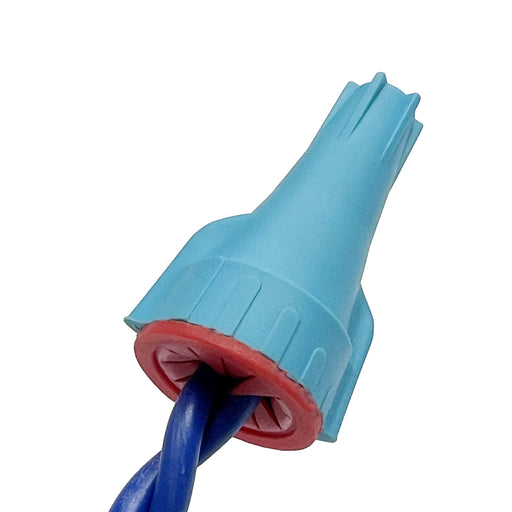
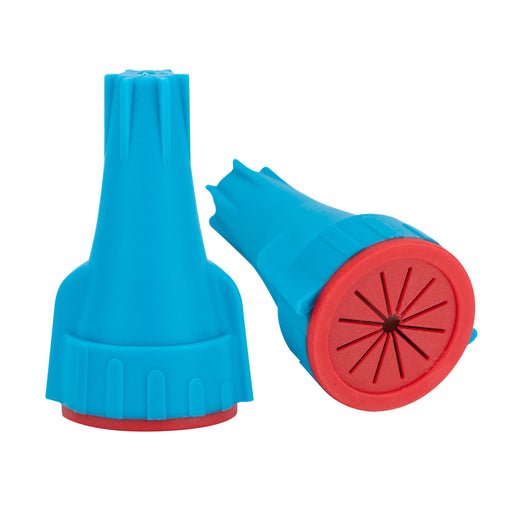
Outdoor and damp-location work changes the decision. Moisture is the enemy of connection quality. If the splice sits in a landscape lighting system, irrigation control setup, holiday lighting run, or other exposed application, a standard dry-location connector is usually not enough. You want a connector designed for weather resistance, ideally with a sealed or waterproof design and a rating that supports the environment.
For higher-heat or specialty applications, ceramic wire nuts can be the better fit. For aluminum-to-copper transitions, you need a connector specifically listed for that combination. That is not a place to improvise.
Match the connector to the wire type
One of the biggest mistakes in choosing wire connectors is focusing on the package shape and ignoring the conductor itself. Solid wire behaves differently from stranded wire, and copper behaves differently from aluminum.
Solid copper wire is common in residential branch circuits and usually works well with many standard connector types. Stranded wire is more flexible and often used in fixtures, low-voltage lighting, and equipment wiring. Some connectors grip stranded conductors better than others, and some are designed to handle both solid and stranded combinations with less guesswork.
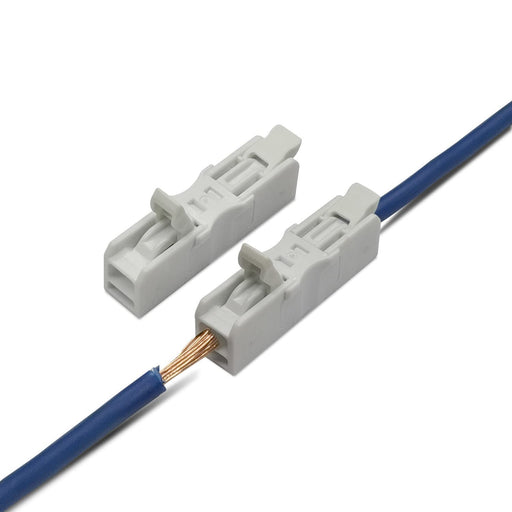
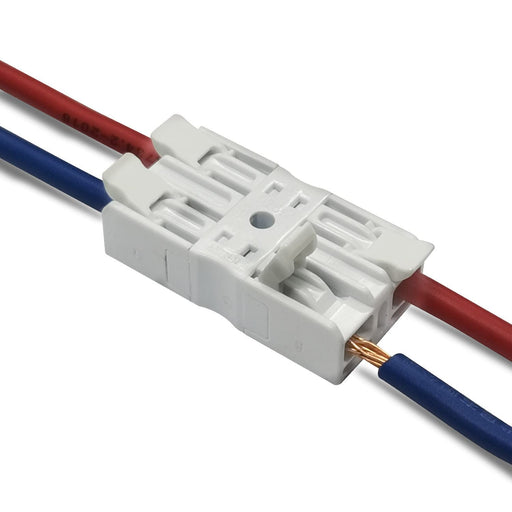
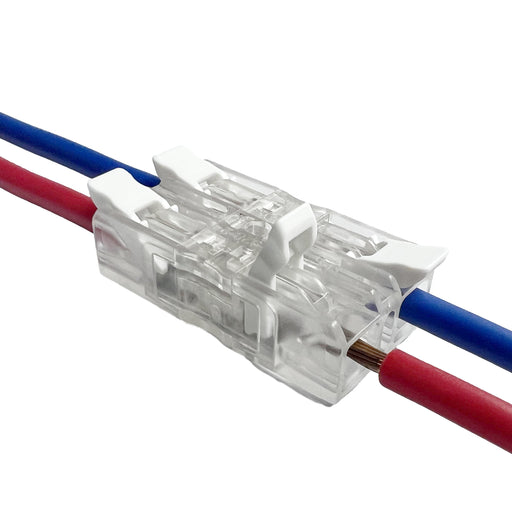
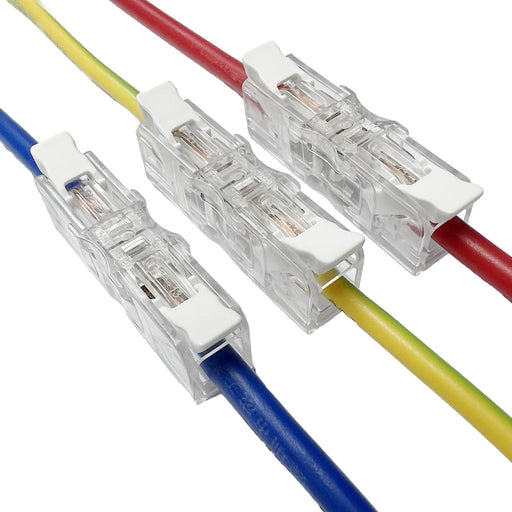
Lever connectors are popular because they make that match more visible. Lift, insert, close - you can usually confirm placement quickly, which helps reduce bad terminations. They are especially useful when you need to disconnect or adjust a splice without cutting and restripping everything.
Push-in connectors can be fast and clean for compatible solid conductors, particularly in tight boxes. But they are not the universal answer. If the wiring includes stranded conductors or mixed types, check the listing and conductor compatibility carefully before using them.
Twist-on wire connectors remain a reliable choice across many common splicing jobs, but only when wire count, gauge range, and conductor combinations are within spec. Too small, and the connector may not fully capture the wires. Too large, and you may not get the compression needed for a secure hold.
If you are joining copper and aluminum, use a connector specifically rated for copper-to-aluminum applications. Dissimilar metals can create long-term performance issues if the connector is not designed for that purpose.
Wire gauge matters more than many DIYers expect
Every connector has a wire range. That range tells you what sizes and combinations it can safely handle. Ignoring it is one of the fastest ways to end up with a weak connection.
A connector may be rated for a pair of 14 AWG wires, but not for three 12 AWG wires. Another may accept one solid and one stranded conductor, but not four mixed wires. The difference is not minor. It affects grip, spring pressure, and overall connection integrity.
This is why reading the connector's supported wire combinations matters. If you are working on a light commercial or maintenance job with repeat installations, choosing a connector family with clearly marked ranges can save time and reduce errors across crews.
For homeowners and DIYers, this step is where a little patience pays off. Count the conductors. Confirm the gauge. Then choose the connector that is listed for that exact combination, not one that seems close enough.
Dry location, damp location, or direct weather exposure
Environment should narrow your options fast. A connector that performs well inside a dry wall cavity may not hold up in a pedestal box, garden bed, or exterior junction box exposed to temperature swings and moisture.
For indoor dry locations, connector choice usually comes down to wire type, box space, and preferred installation method. For outdoor jobs, water resistance becomes a primary decision point. Waterproof twist-on connectors and other sealed connection solutions are built for that added protection.
This matters in landscape lighting, irrigation systems, holiday lighting, and any low-voltage or line-voltage connection that faces rain, splash, condensation, or wet soil conditions nearby. A weather-resistant connection helps reduce corrosion, nuisance failures, and the kind of troubleshooting that takes longer than the original install.
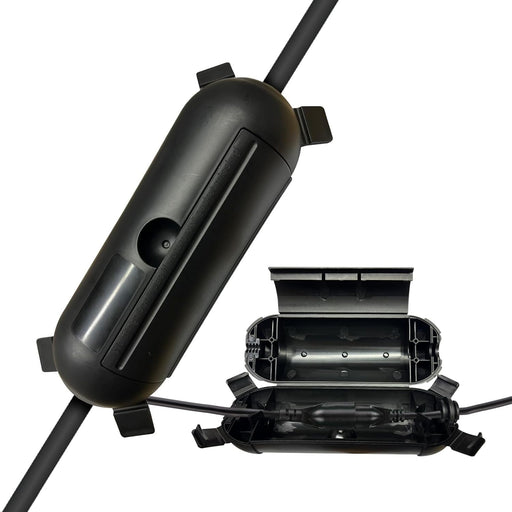
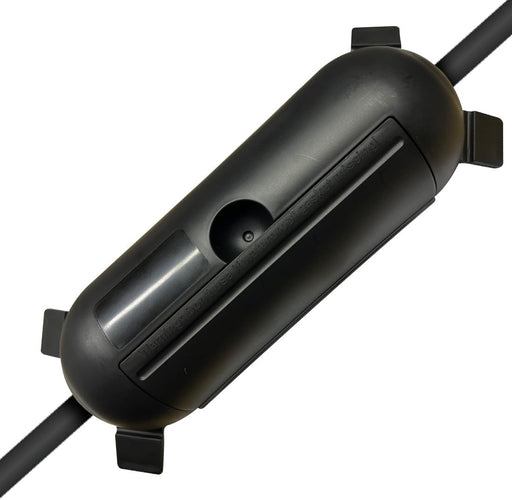
If the splice belongs in an enclosure, the box and accessories matter too. A good connector can still be undermined by a poor box choice, missing bushing, or cable entry point that allows abrasion or water intrusion.
Choose based on installation and future access
Some connections are one-and-done. Others may need inspection, upgrades, or fixture swaps later. That should influence your connector choice.
Lever connectors are often the most convenient when future access matters. They are easy to open, easy to verify visually, and useful for fixture replacements, testing, and modifications. They can also help newer users make a cleaner connection without relying entirely on feel.
Twist-on connectors are a dependable standard for many permanent splices and remain a strong value option. They are familiar, widely used, and effective when matched correctly to wire size and count.
Push-in connectors can speed up repetitive work in the right applications, especially where space is limited and the conductor type is compatible. The trade-off is that they are less forgiving if the application falls outside their design range.
If you are working in a crowded junction box, connector size and shape matter. Large connectors may be secure but difficult to manage in a shallow box. Compact connectors can improve box fill and wire organization, but only if they still meet the electrical and mechanical demands of the splice.
Certifications are not marketing extras
When you compare wire connectors, certification should be part of the decision, not an afterthought. UL-listed, UL-approved, IP-rated, and similar markings help confirm that the product has been evaluated for specific performance conditions.
For buyers trying to balance safety and cost, certifications are one of the clearest trust markers. They help separate a connector built for dependable use from one that simply looks similar on a screen.
This is especially important in outdoor applications and higher-volume purchasing. A lower-priced connector is only a better value if it holds up, installs consistently, and supports a safe connection over time. That is one reason brands like Dicio focus so heavily on connector categories tied to actual use cases, not just generic product names.
Common mistakes when choosing wire connectors
Most connector problems are selection problems first. A few show up over and over.
The first is using indoor connectors outside. The second is guessing on wire gauge combinations. The third is assuming all connectors work equally well with solid, stranded, and mixed-metal conductors. They do not.
Another common issue is choosing purely on speed. Fast installation is useful, but not if it comes at the expense of compatibility or environmental protection. The right connector should make the job easier and safer, not just quicker.
Finally, do not overlook the basic prep work. Even the best connector cannot fix poorly stripped wire, damaged conductors, or a splice forced into a box with no room to sit properly.
A practical way to make the right choice
If you want a simple decision path, ask yourself five questions. What type of wire am I joining? What gauge and how many conductors are involved? Is this indoors or exposed to moisture? Do I need to reopen this connection later? Is the connector certified for this use?
Those answers usually point you in the right direction fast. Waterproof twist-on connectors make sense for wet outdoor splices. Lever connectors fit jobs where mixed conductors or future access matter. Push-in connectors can be efficient for compatible solid-wire installs. Ceramic connectors handle heat-focused applications. Copper-to-aluminum tap connectors are for mixed-metal transitions where the standard options should stop.
Choosing wire connectors is not about finding the fanciest option. It is about making a safe, durable match between the wire, the setting, and the work ahead. When that match is right, installation gets easier, troubleshooting gets rarer, and the connection has a much better chance of staying exactly where it belongs - out of sight and out of your way.
Featured collection
-
Original price $13.99 - Original price $58.99Original price $13.99 - Original price $58.99Original price $13.99$11.99 - $52.00$11.99 - $52.00Current price $11.99
Inline Lever Wire Connector Nuts [White]
Dicio ConnectorsIn stockProduct Features Elegant White Design: The Dicio inline connectors feature a pristine white body, seamlessly complementing modern designs and pr...
View full detailsOriginal price $13.99 - Original price $58.99Original price $13.99 - Original price $58.99Original price $13.99$11.99 - $52.00$11.99 - $52.00Current price $11.99Save up to 12% -
Original price $8.99 - Original price $43.99Original price $8.99 - Original price $43.99Original price $8.99$6.99 - $38.99$6.99 - $38.99Current price $6.99
Inline Wire Connectors – Clear, Tool-Free, UL-Listed, 22–14 AWG | Dicio
Dicio ConnectorsIn stockDicio’s clear inline connectors make wiring clean and simple. Built for 22–14 AWG copper wires, these compact, tool-free splice caps feature a tra...
View full detailsOriginal price $8.99 - Original price $43.99Original price $8.99 - Original price $43.99Original price $8.99$6.99 - $38.99$6.99 - $38.99Current price $6.99Save up to 11% -
Original price $15.99 - Original price $27.99Original price $15.99 - Original price $27.99Original price $15.99$13.99 - $22.99$13.99 - $22.99Current price $13.99
Dicio IP54 Outdoor Extension Cord Cover Waterproof Box
Dicio ConnectorsOut of stockDicio’s IP54 Waterproof Extension Cord Cover ensures maximum protection for your electrical connections in all weather conditions. Designed for out...
View full detailsOriginal price $15.99 - Original price $27.99Original price $15.99 - Original price $27.99Original price $15.99$13.99 - $22.99$13.99 - $22.99Current price $13.99Sold out -
Original price $9.99 - Original price $499.99Original price $9.99 - Original price $499.99Original price $9.99$7.99 - $429.99$7.99 - $429.99Current price $7.99
Waterproof Landscape Wire Connectors [Medium]
Dicio ConnectorsIn stockDicio’s waterproof wire connectors are built to withstand the elements. Twist the wires together, insert into the pre-filled connector, and snap it...
View full detailsOriginal price $9.99 - Original price $499.99Original price $9.99 - Original price $499.99Original price $9.99$7.99 - $429.99$7.99 - $429.99Current price $7.99Save up to 14% -
Original price $12.99 - Original price $37.99Original price $12.99 - Original price $37.99Original price $12.99$8.99 - $33.00$8.99 - $33.00Current price $8.99
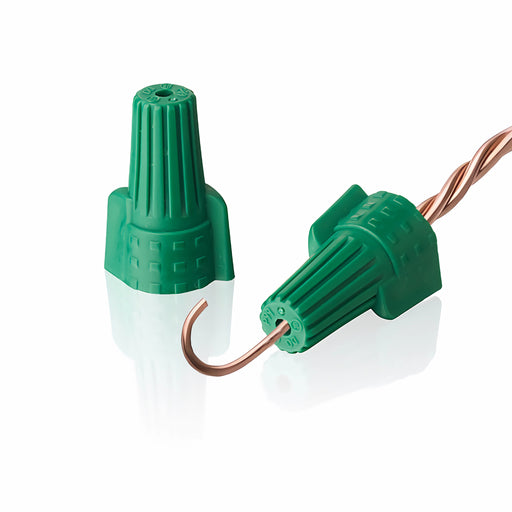
Green Ground Wire Connectors with Hole – Winged, UL-Listed, 14–10 AWG | Dicio
Dicio ConnectorsIn stockDicio’s green ground wire nuts make grounding fast, secure, and code-compliant. Designed for 14–10 AWG conductors, these winged caps offer a strong...
View full detailsOriginal price $12.99 - Original price $37.99Original price $12.99 - Original price $37.99Original price $12.99$8.99 - $33.00$8.99 - $33.00Current price $8.99Save up to 13%