
Lever Connectors vs Wire Nuts
If you have ever stood over an open junction box with a handful of conductors and two connector options in front of you, the lever connectors vs wire nuts question gets practical fast. The right choice affects installation time, connection reliability, future maintenance, and overall ease of use. For homeowners and trade professionals alike, this is less about hype and more about selecting the connector that best fits the wiring task.
Wire nuts have been the standard for decades because they are simple, affordable, and familiar. Lever connectors have gained popularity because they are fast to use, easy to inspect, and especially helpful when working in tight electrical boxes or making changes later. Neither option is automatically better in every situation. The best choice depends on conductor type, installation environment, maintenance requirements, and personal preference.
Lever Connectors vs Wire Nuts: Quick Comparison
| Feature | Lever Connectors | Wire Nuts |
|---|---|---|
| Installation Speed | Fast | Moderate |
| Reusable | Yes | Typically No |
| Visual Inspection | Easy | Limited |
| Cost Per Connection | Higher | Lower |
| Beginner Friendly | High | Moderate |
| Rework & Troubleshooting | Easy | More Time-Consuming |
| Solid Wire Compatibility | Excellent | Excellent |
| Stranded Wire Compatibility | Depends on Model | Depends on Model |
| Outdoor Use | Requires Rated Product or Enclosure | Requires Rated Product or Enclosure |
Lever Connectors vs Wire Nuts: What Changes on the Job?
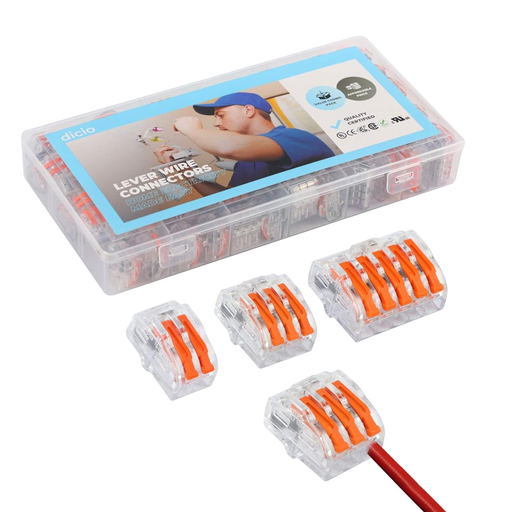
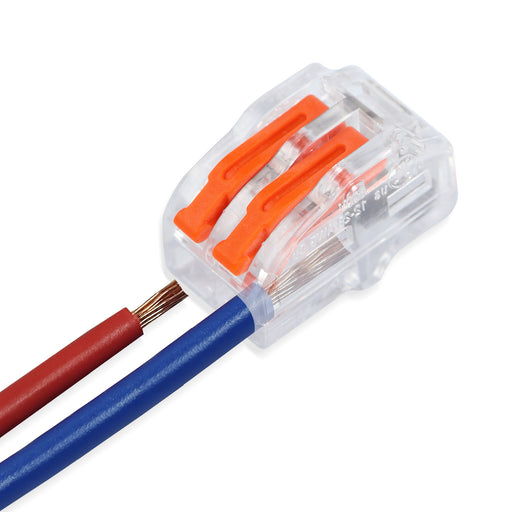
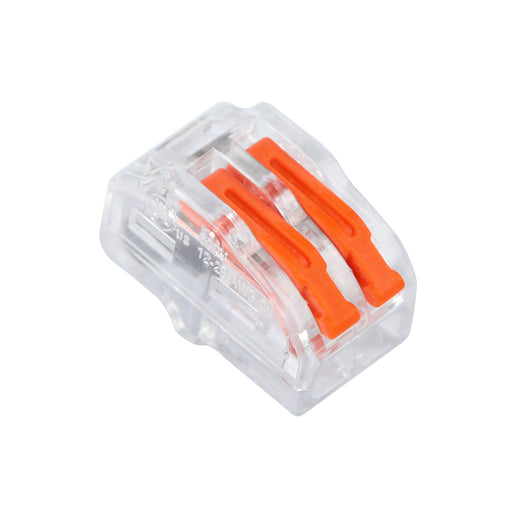
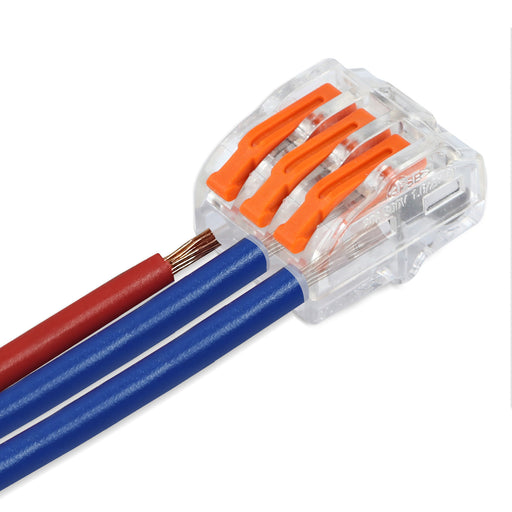
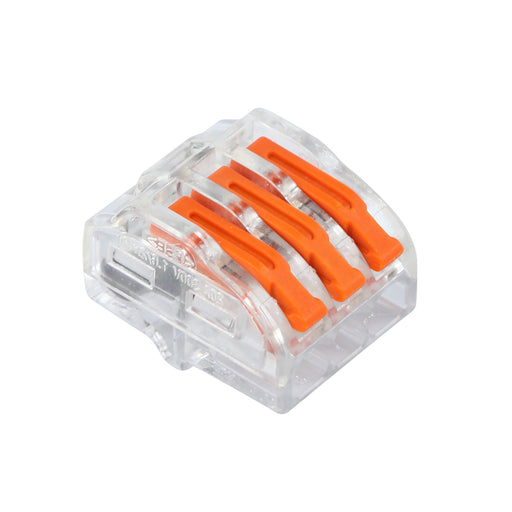
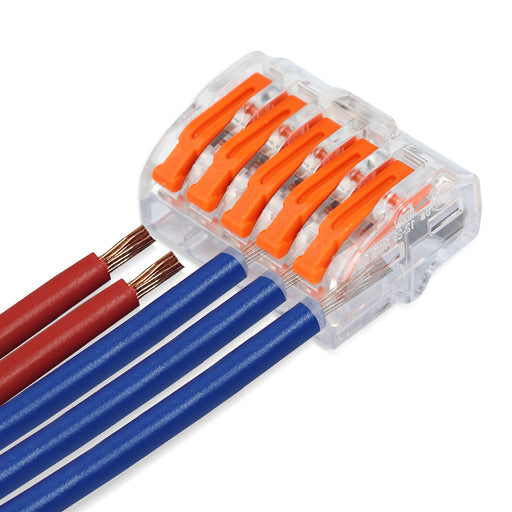
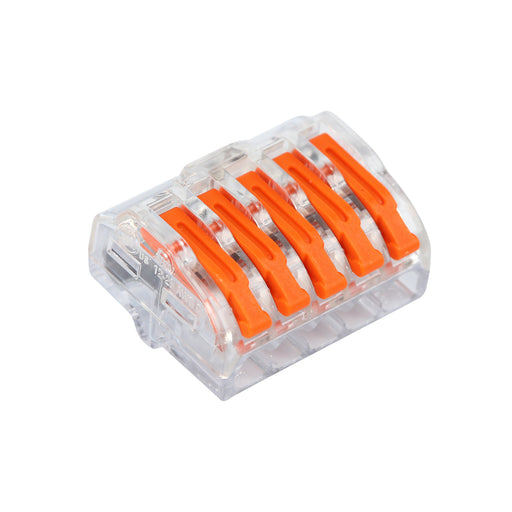
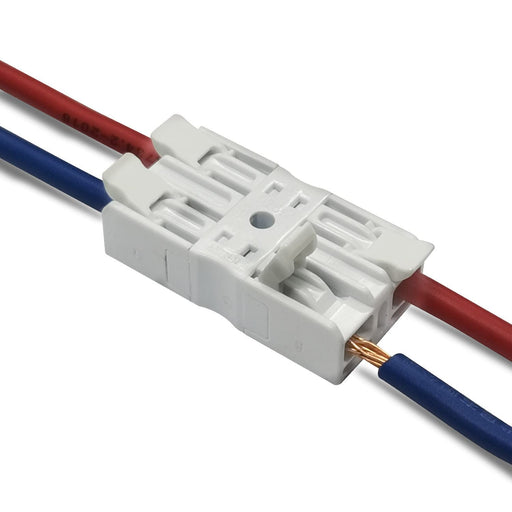
The biggest difference is how the connection is made. A wire nut secures conductors by twisting them together beneath a spring inside the connector. A lever connector uses individual ports and a clamping mechanism. Lift the lever, insert the stripped conductor, and close the lever.
That simple handling difference changes the entire installation experience.
With wire nuts, a successful connection depends on proper strip length, conductor alignment, connector sizing, and installation technique. Experienced electricians often complete these steps quickly, but less experienced users may find it difficult to verify whether the splice is properly made.
Lever connectors remove much of that uncertainty. In many cases, you can visually confirm that each conductor is fully seated, and the connection process is more standardized.
That does not mean wire nuts are unreliable. When installed according to the manufacturer's instructions and used within their listed conductor combinations, wire nuts can provide decades of reliable service. However, lever connectors generally reduce installation variability, which is one reason they have become increasingly popular among DIY users, maintenance personnel, and contractors.
Where Wire Nuts Still Make Sense
Wire nuts remain a practical choice for many indoor branch circuit connections. They are cost-effective, widely accepted, and well suited to standard copper conductor splices when properly sized and installed.
If you are performing straightforward residential electrical work inside dry, protected electrical boxes, traditional twist-on wire connectors continue to offer excellent value.
Wire nuts also make sense when cost is a primary consideration and the connection is unlikely to be reopened. On large projects, even small savings per connection can add up significantly.
There is also a familiarity advantage. Many electricians have spent years using wire nuts and understand exactly how they perform in different situations. That experience often translates into faster installation and greater confidence on the job.
Where Lever Connectors Have a Clear Advantage
Lever connectors excel when ease of installation, troubleshooting, and future modifications are important.
They are particularly useful for:
- Fixture replacements
- Maintenance work
- Low-voltage wiring projects
- Crowded electrical boxes
- Installations requiring future modifications
Each conductor is inserted into its own port, making the finished connection easier to inspect and organize. When troubleshooting, a single conductor can often be removed and reconnected without disturbing the entire splice.
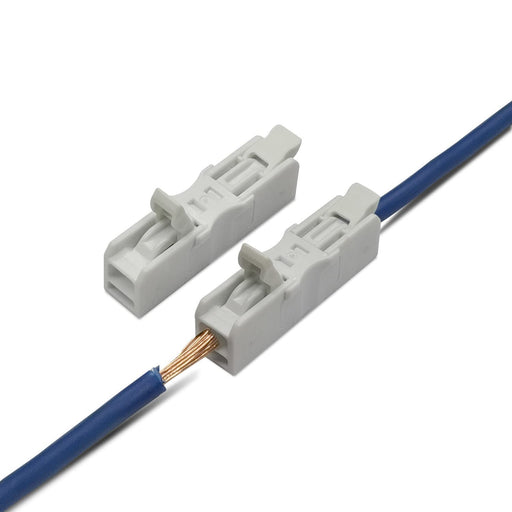
This ease of use is one reason many users choose inline lever connectors for applications where serviceability matters.
Safety and Reliability Depend on More Than Connector Style
It is tempting to view lever connectors versus wire nuts as a safety contest, but that oversimplifies the issue.
Safety comes from:
- Using a listed connector
- Following the manufacturer's instructions
- Matching conductor sizes correctly
- Using the connector within its intended environment
With wire nuts, common installation mistakes include:
- Incorrect connector sizing
- Incomplete conductor engagement
- Uneven conductor insertion
- Using unsupported conductor combinations
With lever connectors, common issues include:
- Incorrect strip length
- Incomplete conductor insertion
- Using conductors outside the connector's approved range
The safest connector is typically the one that allows the installer to achieve a consistent, correct connection every time.
For many occasional users, that may favor lever connectors. For experienced electricians familiar with twist-on installation techniques, wire nuts can be equally dependable.
Certification matters as well. Choosing UL-listed connectors helps ensure the product has been evaluated for electrical performance, mechanical strength, insulation integrity, and temperature resistance.
Lever Connectors vs Wire Nuts for Solid, Stranded, and Mixed Wires
Wire type is one of the most important considerations when selecting a connector.
Many lever connectors are designed to accommodate solid conductors and specific stranded conductor types, but compatibility varies by manufacturer and connector model. Always verify conductor compatibility before installation.
Wire nuts can also support a wide range of conductor combinations. However, successful installation often depends more heavily on selecting the correct connector size and following proper installation procedures.
For projects involving mixed conductor types, some users find lever connectors easier to work with because conductor placement is more controlled and visually verifiable.
Regardless of connector style, always follow the manufacturer's published conductor compatibility chart.
What About Outdoor and Landscape Wiring?
This is where many installation mistakes occur.
Neither standard lever connectors nor standard wire nuts are inherently waterproof.
If non-waterproof connectors are installed outdoors, they should be housed inside an enclosure that is listed and rated for the installation environment. Depending on the application, this may include weatherproof, NEMA-rated, or IP-rated enclosures.
For wet-location or direct-bury installations, use connectors specifically designed for those conditions.
This is especially important for:
- Landscape lighting
- Irrigation systems
- Outdoor low-voltage wiring
- Garden lighting
- Exterior electrical splices
For these applications, waterproof wire connectors or connectors specifically rated for direct burial are often the more appropriate solution.
Many outdoor wiring failures blamed on connector style are actually caused by moisture intrusion, improper enclosures, or environmental mismatches rather than the connector itself.
When evaluating outdoor wiring systems, consider the complete installation:
- Connector rating
- Enclosure rating
- Moisture exposure
- Wire type
- Installation location
Cost, Speed, and Rework
If you compare material cost alone, wire nuts typically have the advantage.
If you compare installation speed, troubleshooting convenience, and reusability, lever connectors often narrow the gap.
For maintenance work, testing, and fixture replacement, lever connectors can simplify the process significantly. Opening a lever and removing a conductor is often faster than disassembling and rebuilding a twisted wire splice.
For homeowners performing occasional electrical work, this simplicity can make installation easier and conductor placement easier to verify.
For maintenance teams and service electricians, faster modifications can also translate into lower labor costs over time.
So Which One Should You Choose?
Choose wire nuts when:
- You want a proven, low-cost solution
- The installation is inside a dry electrical box
- The conductor combination is straightforward
- Future modifications are unlikely
Choose lever connectors when:
- You want easier installation
- You expect future changes
- You need cleaner conductor organization
- You value quick troubleshooting and maintenance
For outdoor installations, do not let the lever connectors vs wire nuts debate distract from the more important issue: environmental protection.
The connector and enclosure must be appropriate for the environment.
Standard connectors belong in protected installations. Wet-location and direct-bury applications require products specifically rated for those conditions.
Lever Connectors vs Wire Nuts: The Bottom Line
The best connector is not determined by trend, popularity, or marketing claims.
It is determined by:
- Wire compatibility
- Installation environment
- Maintenance requirements
- Installer experience
- Product listing and ratings
Wire nuts remain a reliable, cost-effective solution for many traditional electrical installations. Lever connectors offer advantages in ease of use, troubleshooting, and future serviceability.
Neither is universally superior.
The best electrical connection is the one that matches the application, follows the manufacturer's instructions, and provides a secure, reliable splice that will continue performing long after the junction box is closed.
Featured collection
-
Original price $38.99 - Original price $49.99Original price $38.99 - Original price $49.99Original price $38.99$33.99 - $43.99$33.99 - $43.99Current price $33.99
Dicio Lever Wire Connectors Assortment Packs
Dicio ConnectorsOut of stockVersatile & Reliable Wiring Solutions Certified Quality: UL Listed (UL-486C / UL-467). Universal Compatibility: Versatile solution for ...
View full detailsOriginal price $38.99 - Original price $49.99Original price $38.99 - Original price $49.99Original price $38.99$33.99 - $43.99$33.99 - $43.99Current price $33.99Sold out -
Original price $13.99 - Original price $26.99Original price $13.99 - Original price $26.99Original price $13.99$11.99 - $22.99$11.99 - $22.99Current price $11.99
Dicio Lever Wire Connectors 2 Ports
Dicio ConnectorsOut of stockVersatile & Reliable Wiring Solutions Certified Quality: UL Listed (UL-486C / UL-467). Universal Compatibility: Versatile solution for ...
View full detailsOriginal price $13.99 - Original price $26.99Original price $13.99 - Original price $26.99Original price $13.99$11.99 - $22.99$11.99 - $22.99Current price $11.99Sold out -
Original price $12.99 - Original price $30.99Original price $12.99 - Original price $30.99Original price $12.99$10.49 - $26.99$10.49 - $26.99Current price $10.49
Dicio Lever Wire Connectors 3 Ports
Dicio ConnectorsOut of stockVersatile & Reliable Wiring Solutions Certified Quality: UL Listed (UL-486C / UL-467). Universal Compatibility: Versatile solution for ...
View full detailsOriginal price $12.99 - Original price $30.99Original price $12.99 - Original price $30.99Original price $12.99$10.49 - $26.99$10.49 - $26.99Current price $10.49Sold out -
Original price $27.99Original price $27.99 - Original price $27.99Original price $27.99Current price $23.89$23.89 - $23.89Current price $23.89
Dicio Lever Wire Connectors 5 Ports
Dicio ConnectorsOut of stockVersatile & Reliable Wiring Solutions Certified Quality: UL Listed (UL-486C / UL-467). Universal Compatibility: Versatile solution for ...
View full detailsOriginal price $27.99Original price $27.99 - Original price $27.99Original price $27.99Current price $23.89$23.89 - $23.89Current price $23.89Sold out -
Original price $13.99 - Original price $58.99Original price $13.99 - Original price $58.99Original price $13.99$11.99 - $52.00$11.99 - $52.00Current price $11.99
Inline Lever Wire Connector Nuts [White]
Dicio ConnectorsIn stockProduct Features Elegant White Design: The Dicio inline connectors feature a pristine white body, seamlessly complementing modern designs and pr...
View full detailsOriginal price $13.99 - Original price $58.99Original price $13.99 - Original price $58.99Original price $13.99$11.99 - $52.00$11.99 - $52.00Current price $11.99Save up to 12%