
Best Twist-On Wire Nuts for Safer and More Reliable Splices
A loose wire splice rarely fails immediately. More often, it creates resistance, generates heat, and gradually leads to flickering lights, intermittent power, or a costly troubleshooting call. That is why choosing the best twist-on wire nuts is less about brand names and more about selecting the right connector for the wire size, environment, and application.
Twist-on wire connectors remain one of the most widely used methods for joining electrical conductors in residential, commercial, and landscape wiring projects. They are fast to install, cost-effective, and dependable when properly matched to the job. However, not all twist-on connectors are designed for the same conditions.
An indoor lighting splice has very different requirements than an underground irrigation connection or a landscape lighting installation exposed to moisture year-round.
Quick Comparison: Which Twist-On Connector Is Right for Your Project?
| Application | Recommended Connector Type | Key Consideration |
|---|---|---|
| Indoor lighting and receptacles | Standard twist-on wire nut | Match wire gauge and conductor count |
| Residential electrical boxes | UL-listed twist-on wire nut | Secure mechanical and electrical connection |
| Outdoor lighting | Waterproof twist-on connector | Moisture protection |
| Irrigation systems | Waterproof connector | Exposure to water and condensation |
| Underground splices | Direct-bury-rated connector | Must be listed for direct burial |
| Landscape lighting | Waterproof landscape wire connector | Long-term environmental protection |
What Makes the Best Twist-On Wire Nuts?
The best twist-on wire nuts do three things well:
- Securely grip conductors
- Accommodate the intended wire combination
- Maintain performance in the installation environment
Many wiring failures occur because the connector size or rating does not match the application. A connector can feel tight during installation and still be the wrong choice. It may perform perfectly in a dry electrical box but deteriorate when exposed to moisture.
High-quality twist-on connectors typically feature:
- Strong internal spring mechanisms
- Clearly marked wire range compatibility
- Durable insulating shells
- Easy installation in confined spaces
- Compatibility with the conductor types specified by the manufacturer
When evaluating connectors, consider:
- Wire gauge (AWG)
- Number of conductors in the splice
- Solid versus stranded wire
- Dry, damp, wet, or underground installation conditions
Standard vs Waterproof Twist-On Wire Nuts
One of the most important distinctions is whether the splice will remain dry.
Standard Twist-On Wire Nuts
Standard twist-on wire connector nuts are commonly used in:
- Lighting circuits
- Switches
- Receptacles
- Junction boxes
- Other protected indoor applications
When properly sized and installed, they provide reliable performance for many residential and commercial electrical projects.
However, standard wire nuts are not intended for direct exposure to water or moisture.
Waterproof Twist-On Wire Nuts
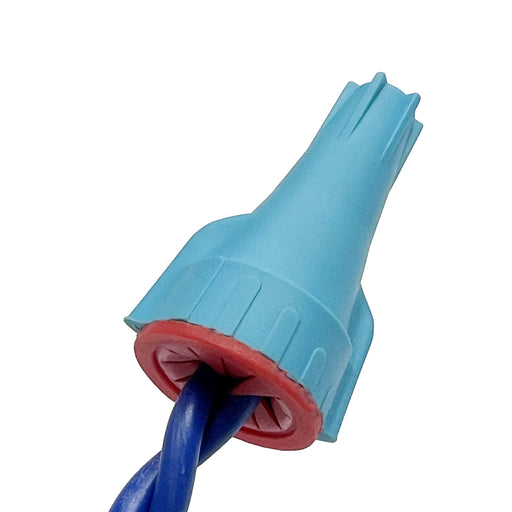
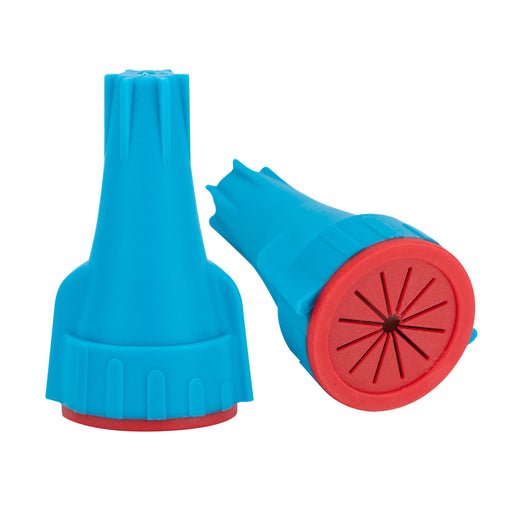
Waterproof wire connectors are designed to resist moisture intrusion and are commonly used in:
- Landscape lighting
- Irrigation systems
- Outdoor lighting
- Wet-location electrical installations
Some waterproof connectors are also listed for direct-bury applications. When selecting a connector for underground use, always verify that it is specifically rated or listed for direct burial.
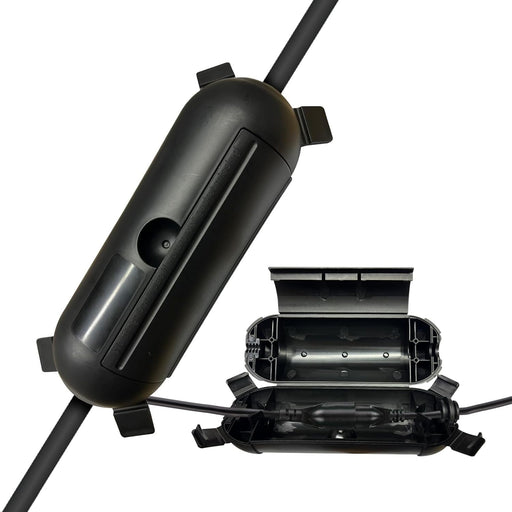
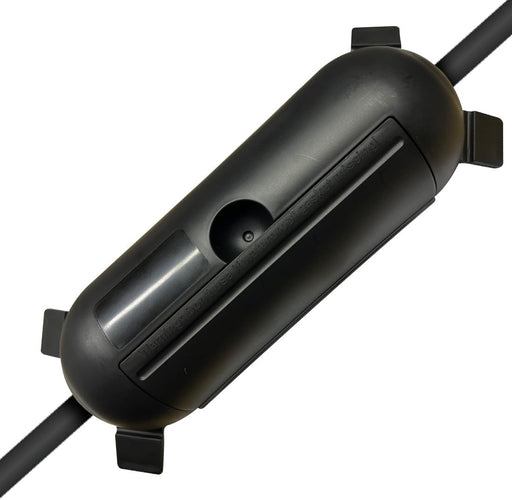
For outdoor installations, standard wire nuts should only be used inside an enclosure that is listed and rated for the environmental conditions. In wet locations, weatherproof enclosures are typically required to help protect the splice from moisture.
How to Choose the Right Twist-On Connector
Selecting the right connector becomes much easier when you focus on the application.
Indoor Electrical Work
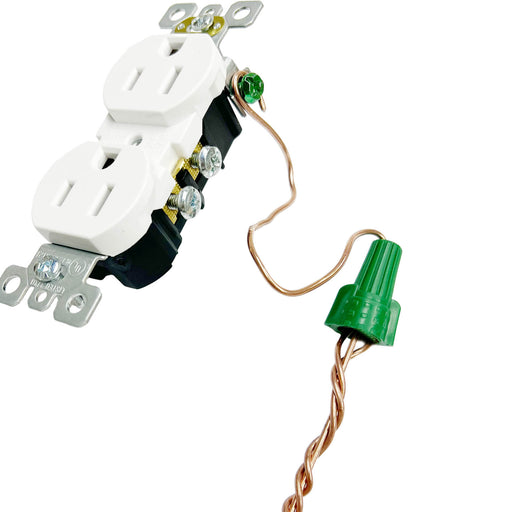
For lighting fixtures, receptacles, switches, and general household wiring, a standard UL-listed twist-on connector is often the best choice.
Look for:
- Correct wire range compatibility
- Secure grip
- Easy installation
- Reliable conductor retention
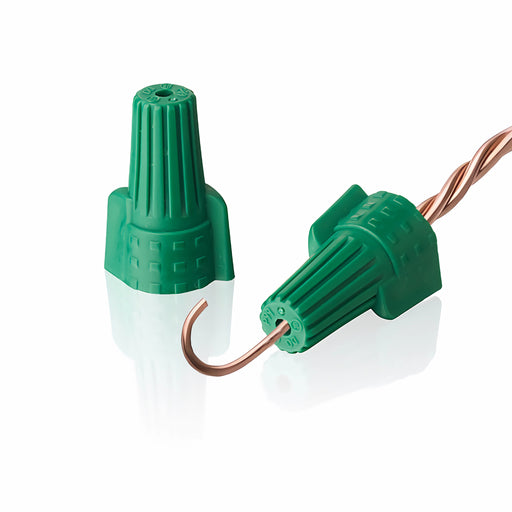
For common electrical projects, winged twist-on wire connector nuts can provide an easy grip and secure installation.
Outdoor Lighting
Moisture becomes the primary concern outdoors.
A waterproof twist-on connector typically provides better long-term protection than a standard connector, especially in areas exposed to rain, irrigation spray, or condensation.
Underground Installations
For underground splices, use a connector specifically intended for direct-bury applications.
This is especially important for:
- Landscape lighting systems
- Irrigation control wiring
- Low-voltage outdoor circuits
Direct-bury ratings matter more than marketing terms such as “outdoor” or “weather resistant.”
Wire Size and Connector Fit Matter
Many connector failures can be traced back to improper sizing.
Each twist-on connector is designed for specific wire combinations. The proper connector for:
- Two 14 AWG conductors
- Three 12 AWG conductors
- Mixed stranded and solid conductors
may be completely different.
An undersized connector may:
- Damage conductors
- Fail to fully engage
- Create unreliable connections
An oversized connector may:
- Fail to properly grip the conductors
- Allow wires to loosen over time
Always follow the manufacturer's published wire combination chart.
Why UL Listing Matters
When evaluating wire connectors, UL listing is one of the most important indicators of product quality and compliance.
UL-listed connectors have been tested for:
- Electrical performance
- Mechanical strength
- Temperature resistance
- Insulation integrity
Whether you are a contractor, maintenance technician, or homeowner, choosing UL-listed wire connectors helps ensure that the product has been evaluated against recognized safety standards.
Signs You Need a Waterproof or Direct-Bury Connector
You should strongly consider a waterproof or direct-bury connector if the splice will be located in:
- Landscape beds
- Irrigation valve boxes
- Exterior junction points
- Underground installations
- Areas exposed to frequent moisture
Water intrusion often develops gradually. Rain, condensation, irrigation systems, and soil moisture can all compromise a standard connector over time.
For low-voltage landscape lighting and irrigation wiring, waterproof landscape wire connectors are often the most reliable long-term solution.
Installation Quality Still Determines Success
Even the best connector cannot compensate for poor installation practices.
Follow these basic guidelines:
- Strip conductors to the recommended length.
- Ensure conductors are properly aligned.
- Fully insert wires before twisting on the connector.
- Perform a firm pull test after installation.
- Follow the manufacturer's instructions regarding pre-twisting.
For outdoor work, evaluate the entire system rather than only the connector itself. Enclosures, cable protection, and environmental exposure all contribute to long-term reliability.
When Twist-On Wire Nuts Are the Best Choice
Twist-on wire connectors continue to be a practical solution because they offer:
- Fast installation
- Low cost
- Proven performance
- Broad availability
- Familiarity among electricians and contractors
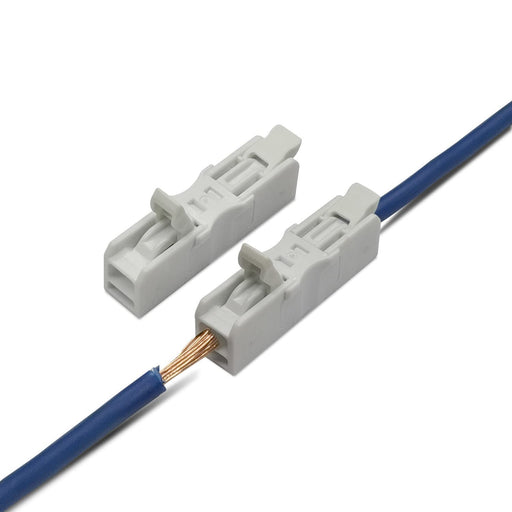
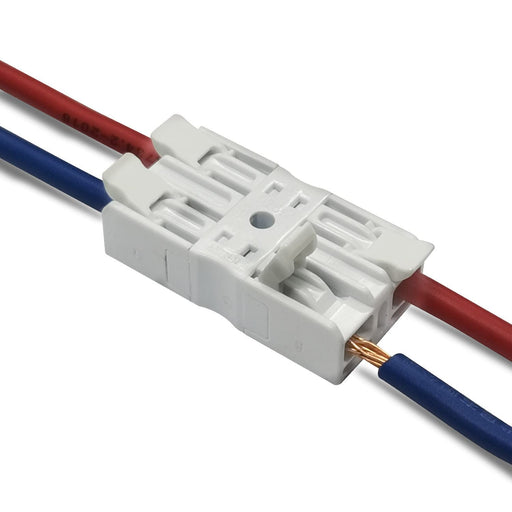
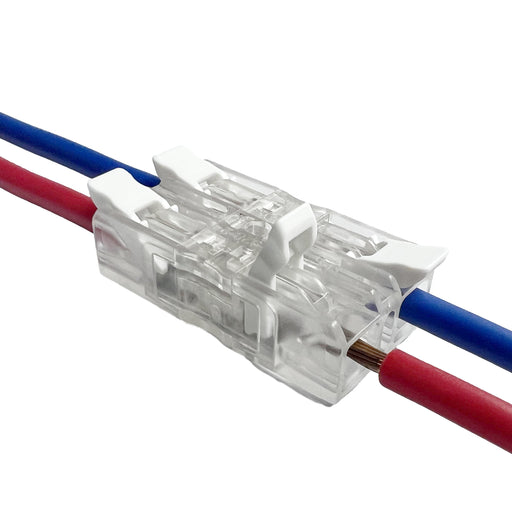
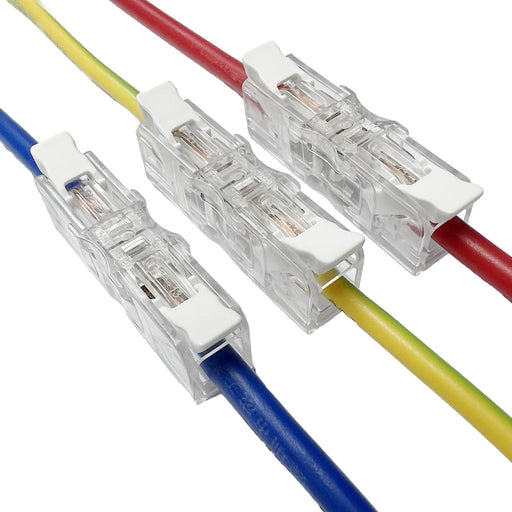
However, they are not the ideal solution for every application. Tight spaces, repeated maintenance access, or specialized conductor combinations may be better served by alternative connector technologies such as inline wire connectors.
The best connector is always the one that fits the specific requirements of the job.
Best Twist-On Wire Nuts: The Bottom Line
The best twist-on wire nuts are not necessarily the most expensive. They are the connectors that provide:
- The correct wire range
- Appropriate environmental protection
- Reliable installation
- Long-term performance
For indoor electrical work, a standard UL-listed twist-on connector may be all you need. For outdoor installations, waterproof protection becomes more important. For underground applications, direct-bury-rated connectors are often the safest choice.
Rather than searching for a single “best” wire nut, focus on finding the connector that best matches the conditions of your project. When wire size, connector rating, and installation environment all align, you get a safer, more dependable splice that performs reliably for years.
To explore different options, browse Dicio’s full collection of wire connectors, nuts, and weatherproof solutions.
Featured collection
-
Original price $13.99 - Original price $58.99Original price $13.99 - Original price $58.99Original price $13.99$11.99 - $52.00$11.99 - $52.00Current price $11.99
Inline Lever Wire Connector Nuts [White]
Dicio ConnectorsIn stockProduct Features Elegant White Design: The Dicio inline connectors feature a pristine white body, seamlessly complementing modern designs and pr...
View full detailsOriginal price $13.99 - Original price $58.99Original price $13.99 - Original price $58.99Original price $13.99$11.99 - $52.00$11.99 - $52.00Current price $11.99Save up to 12% -
Original price $8.99 - Original price $43.99Original price $8.99 - Original price $43.99Original price $8.99$6.99 - $38.99$6.99 - $38.99Current price $6.99
Inline Wire Connectors – Clear, Tool-Free, UL-Listed, 22–14 AWG | Dicio
Dicio ConnectorsLow stockDicio’s clear inline connectors make wiring clean and simple. Built for 22–14 AWG copper wires, these compact, tool-free splice caps feature a tra...
View full detailsOriginal price $8.99 - Original price $43.99Original price $8.99 - Original price $43.99Original price $8.99$6.99 - $38.99$6.99 - $38.99Current price $6.99Save up to 11% -
Original price $15.99 - Original price $27.99Original price $15.99 - Original price $27.99Original price $15.99$13.99 - $22.99$13.99 - $22.99Current price $13.99
Dicio IP54 Outdoor Extension Cord Cover Waterproof Box
Dicio ConnectorsOut of stockDicio’s IP54 Waterproof Extension Cord Cover ensures maximum protection for your electrical connections in all weather conditions. Designed for out...
View full detailsOriginal price $15.99 - Original price $27.99Original price $15.99 - Original price $27.99Original price $15.99$13.99 - $22.99$13.99 - $22.99Current price $13.99Sold out -
Original price $9.99 - Original price $499.99Original price $9.99 - Original price $499.99Original price $9.99$7.99 - $429.99$7.99 - $429.99Current price $7.99
Waterproof Landscape Wire Connectors [Medium]
Dicio ConnectorsIn stockDicio’s waterproof wire connectors are built to withstand the elements. Twist the wires together, insert into the pre-filled connector, and snap it...
View full detailsOriginal price $9.99 - Original price $499.99Original price $9.99 - Original price $499.99Original price $9.99$7.99 - $429.99$7.99 - $429.99Current price $7.99Save up to 14% -
Original price $12.99 - Original price $37.99Original price $12.99 - Original price $37.99Original price $12.99$8.99 - $33.00$8.99 - $33.00Current price $8.99
Green Ground Wire Connectors with Hole – Winged, UL-Listed, 14–10 AWG | Dicio
Dicio ConnectorsIn stockDicio’s green ground wire nuts make grounding fast, secure, and code-compliant. Designed for 14–10 AWG conductors, these winged caps offer a strong...
View full detailsOriginal price $12.99 - Original price $37.99Original price $12.99 - Original price $37.99Original price $12.99$8.99 - $33.00$8.99 - $33.00Current price $8.99Save up to 13%