
Outdoor Electrical Outlet Problems: Professional Troubleshooting Guide for Failed GFCI and Weatherproof Connections
Professional troubleshooting guide for outdoor electrical outlet failures. Covers GFCI reset procedures, moisture damage diagnosis, and waterproof connection repair for reliable exterior electrical systems.
Your outdoor electrical outlet stops working at the worst possible moment. Holiday lights won't turn on, power tools sit useless, and that perfectly timed sprinkler timer goes silent. Most homeowners assume it's a complex electrical problem requiring expensive repairs, but the most common causes of a broken outdoor outlet are a short circuit, a tripped GFCI, and a loose connection.
This troubleshooting guide covers systematic diagnosis of outdoor electrical outlet failures, from simple GFCI resets to identifying the moisture and corrosion problems that kill exterior connections. Whether you're dealing with a single dead outlet or multiple zones without power, these diagnostic steps will identify the root cause and guide you toward reliable repairs.
Need weatherproof connections that handle outdoor conditions?
Our UL-listed waterproof wire connectors resist moisture, corrosion, and temperature extremes for reliable outdoor electrical connections.
Understanding Outdoor Electrical Outlet Failures
Outdoor electrical outlets face environmental challenges that indoor systems never encounter. Exposure to rain, snow, temperature swings, and humidity creates failure modes that don't exist inside your home, making outdoor troubleshooting fundamentally different from interior electrical work.
The Three Primary Failure Categories
1. GFCI Protection Problems
Ground Fault Circuit Interrupter outlets monitor electrical flow and trip when they detect dangerous conditions. Outdoor outlets are usually equipped with GFCI protection because they are exposed to the elements, which increases the risk of water coming into contact with the electrical system.
2. Environmental Damage
Moisture can corrode wires or cause short circuits, especially if the outlet cover is damaged or missing. This progressive damage often starts small but eventually leads to complete outlet failure.
3. Connection Deterioration
Outdoor outlets often encounter difficulties due to several common issues, including moisture exposure, circuit overload, tripped GFCI, damage from weather conditions, loose wiring, or even simple wear and aging.
Understanding these categories helps focus troubleshooting efforts where problems actually occur rather than guessing at solutions.
Why Outdoor Outlets Fail More Frequently
Environmental Stress Factors:
- Temperature cycling - Daily freeze-thaw cycles loosen connections over time
- Moisture intrusion - Water penetration through damaged covers or worn gaskets
- UV degradation - Sunlight breaks down plastic covers and wire insulation
- Corrosion acceleration - Salt air, fertilizers, and soil chemistry attack metal components
Electrical Load Demands: Outdoor outlets often handle high-current devices like power tools, holiday lighting, and irrigation controllers that stress connections more than typical indoor loads.
These combined stresses mean outdoor electrical outlets require more frequent inspection and higher-quality components than interior installations.
For detailed information on waterproof connector standards and selection, see our Complete Waterproof Wire Connector Installation Guide.
Systematic GFCI Troubleshooting
Most outdoor outlet problems start with GFCI issues that can be diagnosed and resolved without tools. Understanding how GFCI protection works helps identify when simple resets solve the problem versus when deeper investigation is needed.
Step 1: Visual GFCI Assessment
Look for two buttons, labeled TEST and RESET, on the face of the GFCI receptacle. It is easy to check if GFCI outlets have tripped because the button labelled RESET will protrude over the TEST button.
GFCI Status Indicators:
- RESET button flush - GFCI is active and providing power
- RESET button protruding - GFCI has tripped and cut power to outlet
- No buttons visible - Standard outlet without GFCI protection (code violation for most outdoor installations)
- Buttons don't move - Mechanical failure requiring GFCI replacement
Step 2: GFCI Reset Procedure
Proper Reset Sequence:
- Unplug all devices connected to the outlet and downstream outlets
- Press RESET button firmly until it clicks into place
- Test operation by plugging in a simple device like a lamp
- Check downstream outlets as GFCI protection often covers multiple outlets
If the GFCI trips immediately after reset, a ground fault exists somewhere in the circuit requiring investigation. If the RESET button won't stay engaged, the GFCI itself has failed and needs replacement.
Step 3: Locating the Controlling GFCI
Electricians often branch outdoor circuits off of a bathroom or laundry room circuit, so your dead outdoor outlet may be connected to a tripped receptacle that is surprisingly far away.
Common GFCI Locations for Outdoor Circuits:
- Garage outlets - Frequently control outdoor outlets on same wall
- Bathroom GFCI outlets - May protect outdoor outlets through load terminals
- Kitchen countertop outlets - Sometimes extended to nearby outdoor outlets
- Basement utility areas - Central GFCI protection for multiple outdoor circuits
- Main electrical panel - GFCI breakers protecting entire outdoor circuits
Test GFCI outlets throughout the house systematically when outdoor outlets lose power unexpectedly.
Multimeter Testing for Outdoor Electrical Diagnosis
When GFCI resets don't restore power, multimeter testing identifies specific electrical problems and guides repair decisions. Systematic voltage and resistance testing eliminates guesswork in outdoor electrical troubleshooting.
Essential Multimeter Tests for Outdoor Outlets
Voltage Presence Testing:
Set your multimeter to measure AC voltage—if you need a range, use the closest to 120V. Insert the black probe of the multimeter into the neutral slot of the outlet. Insert the red probe into the outlet's hot slot.
Normal readings:
- 110-125V AC - Outlet receiving proper power supply
- 0V AC - No power reaching outlet (circuit breaker, GFCI, or wiring problem)
- Erratic readings - Loose connections or damaged wiring creating intermittent contact
GFCI Function Testing with Multimeter
Testing GFCI Trip Function:
- Set multimeter to AC voltage (VAC setting)
- Press TEST button to trip the GFCI
- Insert probes into outlet slots (black to neutral, red to hot)
- Reading should be 0V when GFCI is properly tripped
- Press RESET and retest - should return to normal voltage
A value of zero (0) from the multimeter tells you that the breaker is serving its purpose. However, if you got a value other than zero, there is a fault with your GFCI outlet that should be replaced.
Circuit Breaker Verification
Testing at Electrical Panel:
When outdoor outlets show no voltage, verify the controlling circuit breaker hasn't tripped. Breakers in the "middle position" indicate they've tripped due to overload or short circuit conditions.
Breaker Reset Process:
- Turn breaker fully OFF first
- Pause briefly to allow internal mechanism to reset
- Turn breaker fully ON with firm pressure
- Test outlet immediately to verify power restoration
If the breaker trips again immediately, a short circuit exists requiring professional diagnosis.
Moisture and Corrosion Damage Assessment
Exposure to rain, snow, and fluctuating temperatures can work their way past outlet covers, resulting in corrosion or internal moisture buildup. Even the best outdoor GFCIs will trip if water finds its way inside the box.
Identifying Moisture Intrusion
Visual Damage Indicators:
- Water stains around outlet covers or on building surfaces
- Rust or corrosion on outlet faces, screws, or metal components
- White mineral deposits from evaporated water containing dissolved salts
- Discolored or warped plastic covers indicating heat damage from arcing
- Musty odors suggesting ongoing moisture problems
Electrical Performance Symptoms:
- Intermittent operation that correlates with weather conditions
- GFCI trips frequently during rain or high humidity
- Reduced voltage readings under load indicating high resistance connections
- Buzzing or crackling sounds from arcing at corroded connections
Weatherproof Cover Inspection
Critical Cover Elements:
Gasket Condition - Rubber seals must be flexible and complete around the entire perimeter. Cracked or hardened gaskets allow water infiltration that kills electrical connections over time.
Cover Integrity - Ensure all covers and gaskets are intact and properly sealing against moisture. Replace cracked, damaged, or missing weatherproof outlet covers.
Drainage Design - Quality outdoor covers include drainage channels that direct water away from electrical components. Standing water around outlets indicates inadequate weatherproofing.
Internal Corrosion Diagnosis
Safe Inspection Procedure:
- Turn off power at circuit breaker
- Verify power is off using non-contact voltage tester
- Remove outlet cover carefully to avoid disturbing connections
- Inspect visible wiring for corrosion, discoloration, or damage
- Check wire connections for looseness or corrosion buildup
Inspect wires for loose connections, signs of corrosion, rust or burned sections. Re-tighten any loose screws and trim any corroded or damaged wire ends carefully.
When to Stop DIY Investigation:
- Extensive corrosion on multiple connections
- Burnt or melted wire insulation
- Water present inside electrical box
- Uncertainty about electrical safety procedures
Connection Problems and Repair Techniques
Loose electrical connections are a common problem that can occur in outlets, switches, and fixtures. When connections are loose, electricity may not flow smoothly, leading to issues like power outages, flickering lights, or even electrical fires.
Diagnosing Loose Connection Problems
Performance Symptoms:
- Intermittent power that varies with vibration or temperature changes
- Voltage drop under load causing devices to operate at reduced performance
- Heat generation at connection points leading to burnt smells or discolored components
- Arcing sounds indicating poor electrical contact creating sparks
Physical Inspection Signs:
- Blackened or burnt wire ends or terminal screws
- Loose terminal screws that turn easily without resistance
- Wire strands pulled out of terminal connections
- Corrosion buildup creating high resistance at connection points
Professional Connection Repair
Wire Preparation Standards:
- Strip to proper length - Follow manufacturer specifications exactly
- Clean copper conductors - Remove all oxidation and corrosion
- Secure terminal connections - Tighten to specified torque values
- Use appropriate wire connectors for outdoor conditions
Waterproof Connection Requirements:
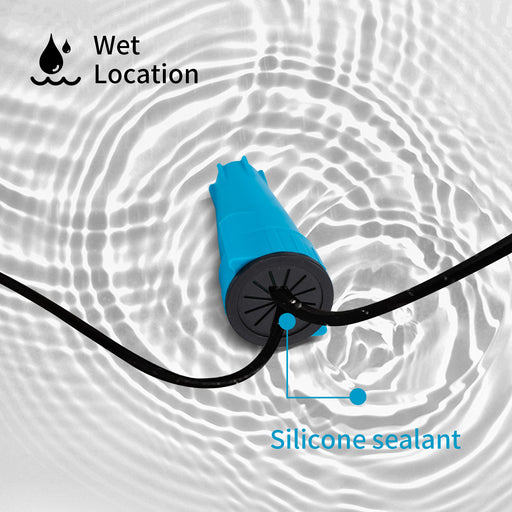
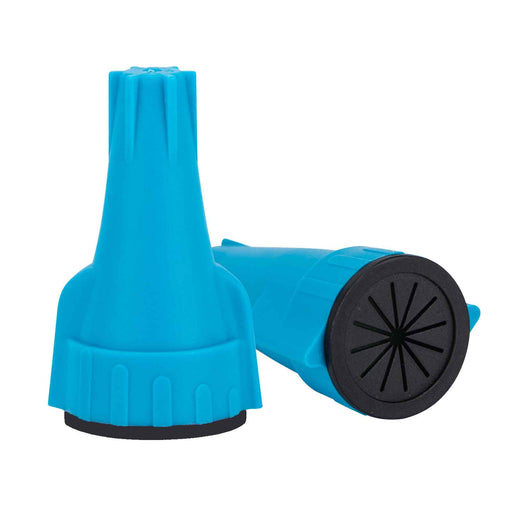
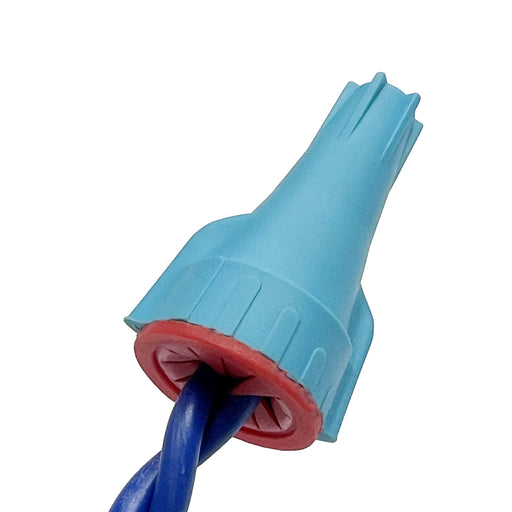
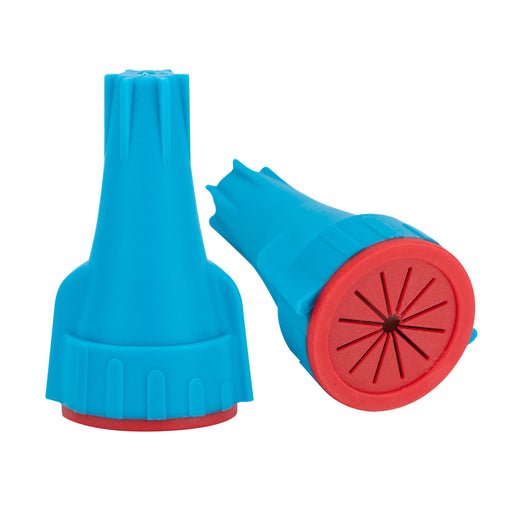
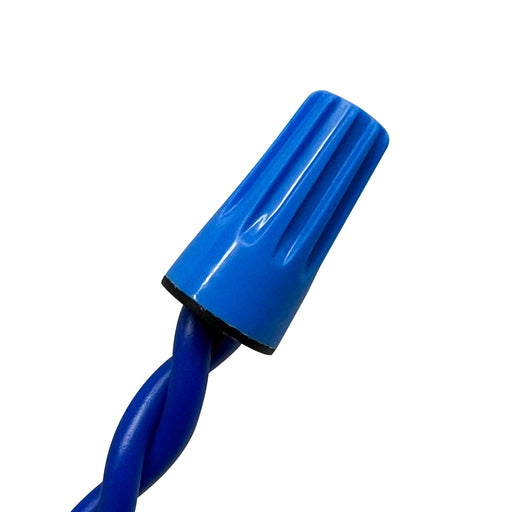
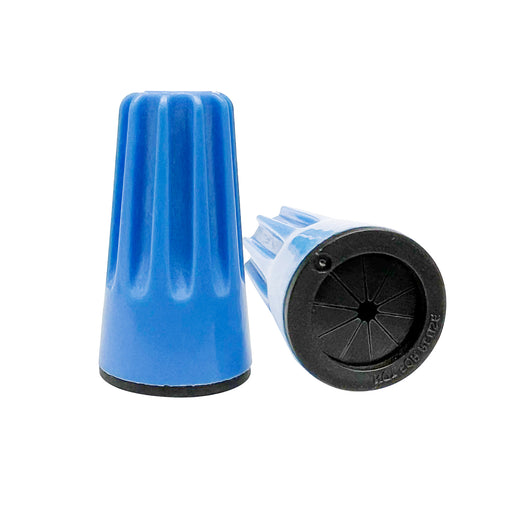
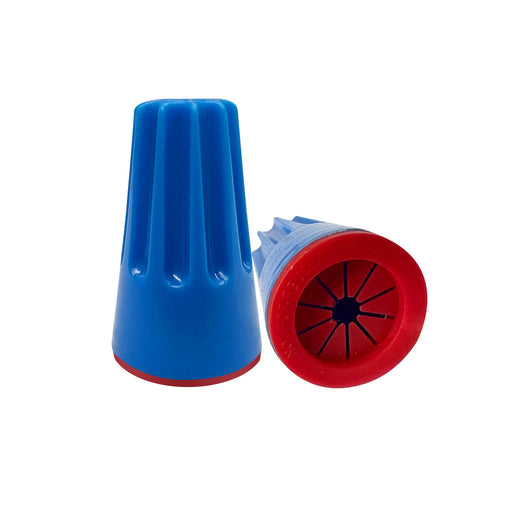
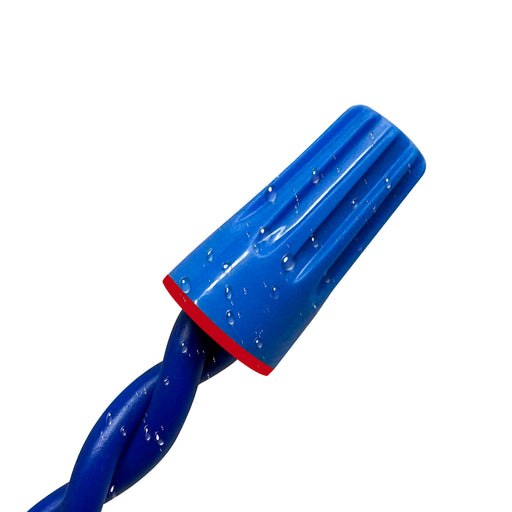
Designed specifically for above grade, interior/exterior connections exposed to damp wet and corrosive environments. Pre-filled with silicone-based sealant that protects against moisture and corrosion.
For outdoor electrical connections requiring splicing, professional waterproof wire connectors provide reliable moisture protection that prevents the corrosion cycles causing outlet failures.
When Professional Help is Required
Call an Electrician For:
- Repeated circuit breaker trips after outlet repair attempts
- Multiple outlets failing simultaneously indicating widespread wiring problems
- Burn marks or melting around electrical components
- Uncertainty about proper repair procedures where mistakes create safety hazards
Persistent problems after reset attempts indicate your GFCI outlet likely requires replacing. Visible damage: Any signs of burning, charring, or exposed wires indicate that professional help is needed.
Preventive Maintenance for Outdoor Electrical Systems
Monthly GFCI Testing: Electrical safety experts recommend testing your GFCI outlets once a month to ensure that there's no indication of an electrical problem. Use the TEST and RESET buttons to verify protection circuits function correctly.
Seasonal Inspection Schedule:
Spring Preparation:
- Test all outdoor outlets after winter weather
- Inspect covers and gaskets for winter damage
- Clean debris from outlet boxes and covers
- Verify drainage around electrical installations
Fall Winterization:
- Check connections before heating system loads
- Ensure covers seal properly against moisture
- Remove extension cords and outdoor devices
- Schedule professional inspection if problems noted
Weather Event Response:
- Inspect outlets after storms for damage
- Test GFCI function after power outages
- Check for standing water around electrical equipment
- Document problems for insurance purposes if needed
Quality Component Selection
Weatherproof Connection Standards:
- UL-listed weatherproof outlets with proper IP ratings for application
- Corrosion-resistant covers designed for local climate conditions
- Silicone-filled waterproof connectors for junction boxes and splice connections
- Marine-grade wire in areas with salt air exposure
Installation Quality Factors:
- Proper mounting height above grade and flood levels
- Adequate cover overhang protecting from direct weather
- Sealed conduit entries preventing water infiltration
- Accessible installation allowing future maintenance
Frequently Asked Questions About Outdoor Electrical Outlet Problems
Why does my outdoor outlet work intermittently?
Intermittent outdoor outlet operation usually indicates loose connections or moisture intrusion creating variable electrical contact. Outdoor wiring, especially in older homes, deteriorates faster because of temperature swings, humidity, and even critter damage. Test with a multimeter and inspect connections for corrosion or looseness.
How do I reset an outdoor GFCI outlet?
First unplug all devices from the outlet and any connected downstream outlets. Press the RESET button firmly until it clicks into place. If the GFCI trips immediately after reset, a ground fault exists requiring investigation. If the RESET button won't stay engaged, replace the GFCI outlet.
What causes outdoor outlets to stop working in winter?
Cold weather creates several problems for outdoor electrical outlets: moisture from snow can infiltrate connections, temperature cycling loosens wire connections, and ice formation can damage outlet covers. Test GFCI function and inspect for moisture damage after winter weather events.
Can I use regular wire nuts for outdoor electrical connections?
No, outdoor electrical connections require weatherproof wire connectors specifically designed for moisture exposure. Silicon gel-filled connectors are rated for 600 volt maximum use with 22 to 12-gauge wire and provide the environmental protection needed for reliable outdoor connections.
Why does my GFCI outlet trip repeatedly?
Repeated GFCI tripping indicates a ground fault condition somewhere in the protected circuit. Common causes include moisture in outlet boxes, damaged wire insulation, or faulty connected devices. Unplug all devices and test; if tripping continues, inspect wiring for damage or call an electrician.
How often should I test outdoor GFCI outlets?
Test outdoor GFCI outlets monthly using the TEST and RESET buttons to verify protection circuits function properly. At minimum, you should test GFCI outlets when entering a new season.
What voltage should I measure at a working outdoor outlet?
A properly functioning outdoor outlet should measure 110-125V AC between hot and neutral with no load connected. Readings below 110V indicate voltage drop from poor connections or undersized wiring. Zero voltage indicates power supply problems requiring circuit breaker or GFCI investigation.
When should I call an electrician for outdoor outlet problems?
Call a professional electrician when you encounter repeated breaker trips, visible burn marks or melting, signs of extensive corrosion, or when you're uncertain about electrical safety procedures. Professional diagnosis prevents safety hazards.
Professional Solutions for Reliable Outdoor Electrical Systems
Outdoor electrical outlet problems often indicate broader environmental challenges affecting exterior electrical systems. Addressing root causes rather than symptoms creates long-term reliability and prevents expensive repeat failures.
System-Wide Moisture Protection
Critical Protection Points:
Junction Box Sealing - Outdoor splice connections require UL-listed waterproof connectors that maintain seal integrity through temperature cycling and environmental exposure.
Conduit System Integrity - Properly sealed conduit prevents water infiltration that causes the corrosion leading to outlet failures. Inspect and seal conduit connections regularly.
Drainage Considerations - Position outlets and electrical equipment above anticipated water levels from rain, irrigation, and seasonal flooding.
Long-term Reliability Standards
Quality Component Selection:
- GFCI outlets rated for outdoor use with proper environmental protection
- Weatherproof covers designed for local climate extremes
- Corrosion-resistant hardware appropriate for coastal or industrial environments
- Professional-grade waterproof connectors for all outdoor splice applications
Installation Best Practices:
- Follow manufacturer specifications exactly for all components
- Use appropriate wire gauges for expected loads and environmental conditions
- Provide adequate support and protection for wiring systems
- Plan maintenance access for future service requirements
Professional outdoor electrical systems prevent the moisture intrusion and connection failures that cause most outlet problems, protecting both system reliability and safety.
Need weatherproof connections for reliable outdoor electrical systems?
Our UL-listed silicone-filled connectors resist moisture, corrosion, and environmental stress for dependable outdoor electrical connections.
Featured collection
-
Original price $12.99 - Original price $25.99Original price $12.99 - Original price $25.99Original price $12.99$9.99 - $19.99$9.99 - $19.99Current price $9.99
Waterproof Landscape Wire Connectors [Large]
Dicio ConnectorsIn stockSuperior Defense for Outdoor and Irrigation Environments Model Number: R6 Certified Quality: UL Listed (UL486D), IP68 Rated Water Resistant: Si...
View full detailsOriginal price $12.99 - Original price $25.99Original price $12.99 - Original price $25.99Original price $12.99$9.99 - $19.99$9.99 - $19.99Current price $9.99Save up to 23% -
Original price $9.99 - Original price $499.99Original price $9.99 - Original price $499.99Original price $9.99$7.99 - $429.99$7.99 - $429.99Current price $7.99
Waterproof Landscape Wire Connectors [Medium]
Dicio ConnectorsIn stockDicio’s waterproof wire connectors are built to withstand the elements. Twist the wires together, insert into the pre-filled connector, and snap it...
View full detailsOriginal price $9.99 - Original price $499.99Original price $9.99 - Original price $499.99Original price $9.99$7.99 - $429.99$7.99 - $429.99Current price $7.99Save up to 14% -
Original price $11.99 - Original price $43.99Original price $11.99 - Original price $43.99Original price $11.99$9.99 - $38.90$9.99 - $38.90Current price $9.99
Waterproof Landscape Wire Connectors [Small]
Dicio ConnectorsIn stockResilient Waterproof Connectors for Ultimate Outdoor Protection Model Number: P4W Certified Quality: UL-listed (UL486G) to ensure safety and r...
View full detailsOriginal price $11.99 - Original price $43.99Original price $11.99 - Original price $43.99Original price $11.99$9.99 - $38.90$9.99 - $38.90Current price $9.99Save up to 12% -
Original price $19.99 - Original price $75.99Original price $19.99 - Original price $75.99Original price $19.99$15.99 - $69.99$15.99 - $69.99Current price $15.99
Waterproof Landscape Wire Connectors [Extra Small]
Dicio ConnectorsIn stockResilient Waterproof Connectors for Ultimate Outdoor Protection Model Number: P3W Certified Quality: UL-listed (UL486G) to ensure safety and r...
View full detailsOriginal price $19.99 - Original price $75.99Original price $19.99 - Original price $75.99Original price $19.99$15.99 - $69.99$15.99 - $69.99Current price $15.99Save up to 24% -
Original price $15.99Original price $15.99 - Original price $15.99Original price $15.99Current price $9.99$9.99 - $9.99Current price $9.99
Dicio 3:1 Heat Shrink Tubing Kit 180PC Waterproof Set
Dicio ConnectorsLow stockDicio’s 3:1 Heat Shrink Tubing Kit provides industrial-grade insulation, sealing, and protection for all your wiring needs. Designed with a double-...
View full detailsOriginal price $15.99Original price $15.99 - Original price $15.99Original price $15.99Current price $9.99$9.99 - $9.99Current price $9.99Save 38%