
Are Lever Wire Connectors Safe?
A loose splice hidden in a box is the kind of problem nobody wants to find after the lights start flickering. That is why homeowners and pros alike ask the same question: are lever wire connectors safe? The short answer is yes - when they are UL-listed for the job, matched to the wire type and size, and installed the right way. The longer answer matters, because connector safety depends as much on application and technique as it does on the connector itself.
Are lever wire connectors safe in real-world use?
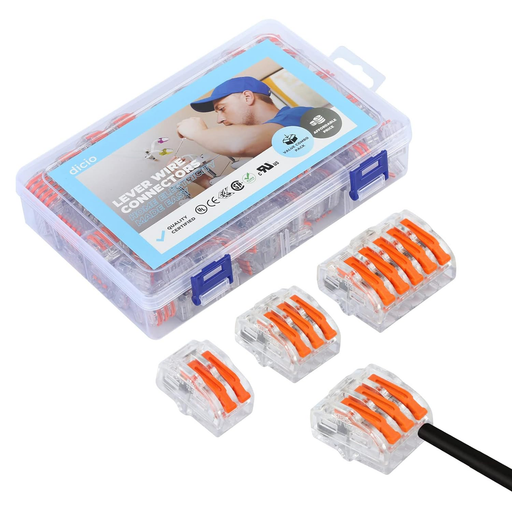
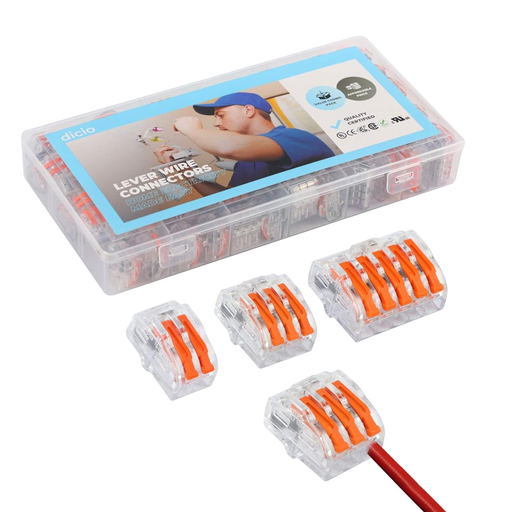
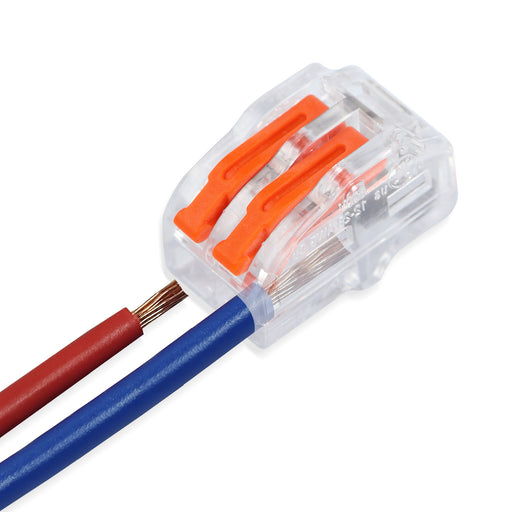
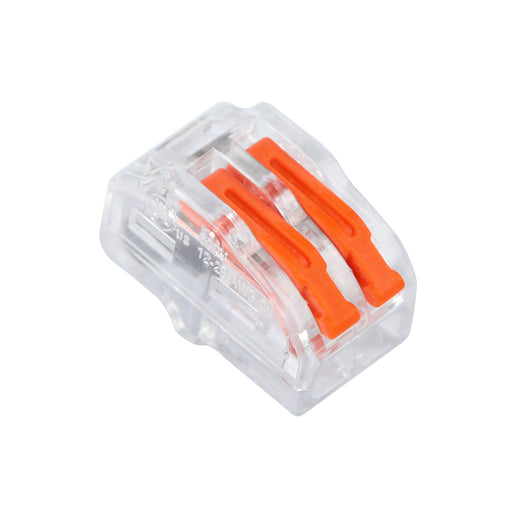
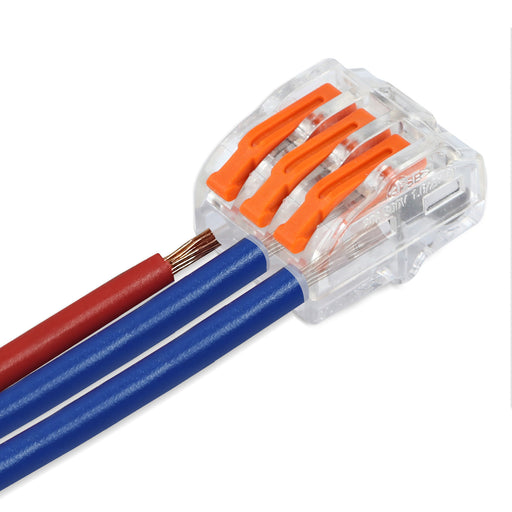
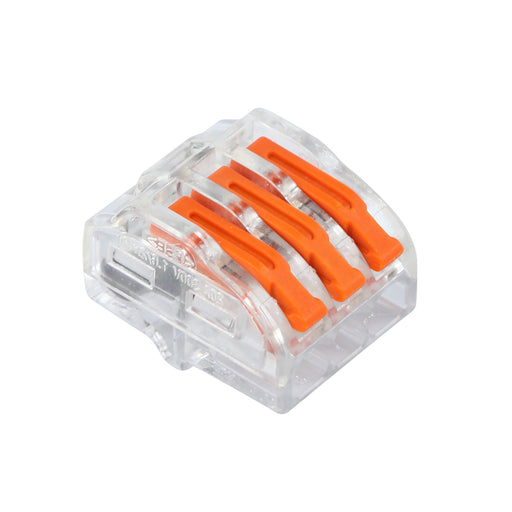
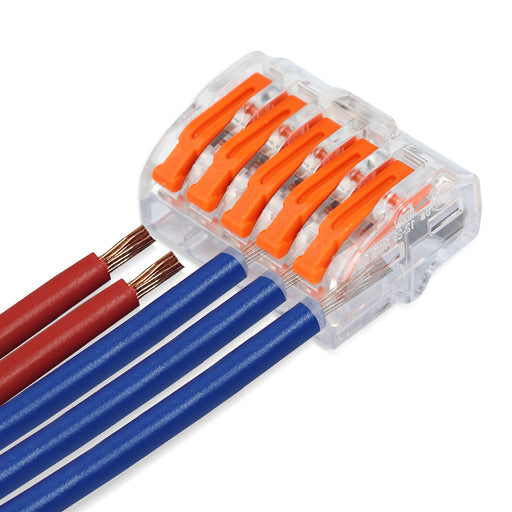
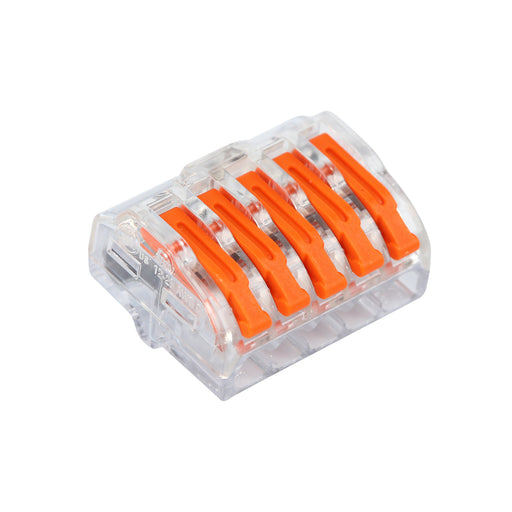
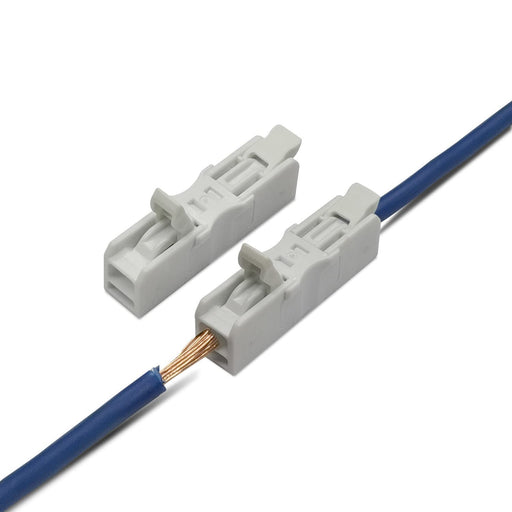
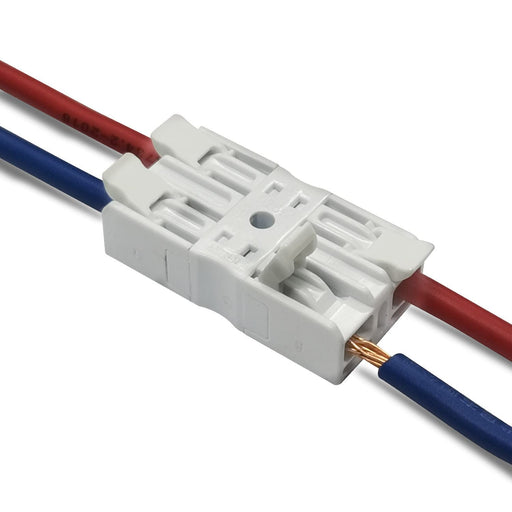
Lever wire connectors are designed to create a secure mechanical and electrical connection without twisting conductors together. You lift the lever, insert the stripped conductor, and close the lever to clamp the wire in place. When the connector is properly manufactured and properly used, that clamping action can produce a stable connection with consistent contact pressure.
That is the main reason lever connectors have become popular in residential, lighting, and light commercial work. They simplify splicing, reduce installation time, and make it easier to verify that each conductor is fully seated. For many users, that visual confirmation is a real safety advantage over guessing whether a wire nut grabbed evenly.
Still, safe does not mean foolproof. A lever connector can fail if the wire is under-stripped, over-stripped, inserted crooked, used with the wrong conductor type, or installed in an environment it was not designed to handle. The connector itself may be reliable, but the installation still has to be code-conscious and precise.
What actually makes a lever connector safe?
The safest lever connectors share a few important traits. First is certification. A UL-listed or otherwise properly approved connector gives you a baseline level of confidence that the product has been evaluated for electrical performance and intended use. In the United States, many quality wire splicing connectors are evaluated under standards such as UL 486C. That matters, especially in circuits where heat, vibration, and repeated load changes can expose weak connection points.
Second is conductor compatibility. Not every connector accepts every wire size, strand count, or conductor material. A connector rated for certain AWG ranges and conductor types needs to be used within those limits. For example, some lever connectors are built to handle both solid and stranded copper conductors, while others have narrower use cases. If you force a wire outside the listed range, you lose the safety margin the connector was designed to provide.
Third is contact pressure. Lever connectors work because the internal spring or clamp maintains pressure on the conductor. Good contact pressure helps minimize contact resistance at the splice. Combined with proper conductor sizing and loading, this helps reduce unwanted heat buildup and supports long-term reliability.
Housing quality matters too. A well-made connector should resist cracking, hold the lever securely closed, and allow clear strip-length guidance. Cheap connectors with weak levers or inconsistent internal parts are where safety questions become much more justified.
Where lever connectors work well
Lever connectors are a strong fit for branch circuit splices inside approved electrical boxes, fixture wiring, lighting retrofits, control wiring, and maintenance work where speed and serviceability matter. They are especially useful when you need to disconnect and reconnect conductors during troubleshooting or equipment replacement.
They also make sense for users who want a straightforward installation method. Lift, insert, close is easy to follow, which can reduce mistakes when compared with methods that rely more heavily on feel and experience.
Many homeowners and electricians choose modern lever wire connectors because they combine quick installation with easy maintenance. Since conductors can be disconnected and reconnected without cutting or re-twisting wires, they are particularly useful for lighting upgrades, fixture replacements, and troubleshooting work where future access may be required.
For stranded conductors, many installers find lever connectors easier to install consistently than some traditional splice methods, particularly when working with fixture wire and lighting circuits.
Where people get into trouble
Most connector failures do not happen because the concept is unsafe. They happen because the connector was misapplied. One common problem is using the wrong strip length. If too little copper is inserted, the clamp may not grab enough conductor. If too much bare copper is exposed, you increase the risk of contact with the box or another conductor.
Another issue is mixing incompatible wire types or sizes in the same connector. If the connector is not listed for that combination, the connection may be physically unstable or electrically inconsistent.
Overcrowded electrical boxes are another concern. Lever connectors can take up more space than some compact splice methods. If you cram too many connectors into a box without proper box-fill consideration, you create unnecessary stress on the conductors and make future inspection harder.
Environment matters too. Standard lever wire connectors are not automatically waterproof. For outdoor or wet-location applications, a non-waterproof lever connector needs to be installed inside an IP68 junction box or another properly rated waterproof enclosure if the wiring method and application allow it. If you need a direct-bury or fully sealed connection, you should use a connector specifically rated for that environment rather than assuming a standard indoor connector can handle moisture.
Are lever wire connectors as safe as wire nuts?
In many indoor applications, yes - provided both products are quality components and used correctly. This is less about one format being universally safer and more about matching the connector to the installer, conductor, and job conditions.
Wire nuts have a long track record and remain a standard choice for many electricians. They are compact, familiar, and cost-effective. But they also depend more on proper twisting technique and conductor preparation. A poor wire nut splice can feel tight at first and still end up inconsistent.
Lever connectors trade some compactness for simplicity and visibility. You can often see whether the wire is fully inserted, and the connection is easier to revise without cutting back conductors. For DIY users and repetitive lighting work, that can be a meaningful safety benefit.
The trade-off is that lever connectors are not a shortcut around proper installation rules. They still need the correct strip length, the correct wire range, and the correct enclosure.
How to use lever connectors safely
Start by reading the connector markings and packaging. Verify the allowed wire gauge range, conductor types, voltage rating, and application limits. If the connector is listed only for copper, do not use it with aluminum. If it is not rated for wet locations, do not expose it to moisture.
Strip the conductor to the exact length specified by the connector manufacturer. This is one of the most overlooked steps, and it directly affects contact quality. Insert the wire fully, then close the lever completely. Give each wire a gentle tug to confirm it is secure.
If the connector housing includes a clear section or strip guide, use it. Visual confirmation is part of the advantage. Do not rely on guesswork.
Install the splice inside an appropriate electrical box or enclosure, with enough room for conductor bending and code-compliant box fill. If the job is outdoors, treat moisture protection as a separate requirement. A standard lever connector can be part of an outdoor system only when used inside a properly rated waterproof enclosure where allowed. It is not a substitute for a sealed, wet-rated connection method.
For critical or high-use circuits, take a minute to inspect the connection before closing the box. Check for damaged copper, nicked strands, incomplete insertion, and any exposed conductor beyond what the connector design allows.
When a lever connector is probably the wrong choice
If the wiring environment is wet, direct-bury, or exposed to weather without a suitable enclosure, a standard lever connector is not the right answer. If the conductors fall outside the listed wire range, it is the wrong connector. If the circuit involves conditions beyond the connector's rating, such as unusual heat or special equipment requirements, you need a product approved for that exact use.
It is also fair to say that some installers simply prefer another connector type for certain box sizes or device terminations. That is not a safety problem by itself. It is a reminder that good electrical work is often about choosing the right tool, not forcing one connector style into every situation.
Regardless of connector type, all splices should be installed in accordance with applicable local electrical codes and enclosure requirements. Even the best connector cannot compensate for improper wiring practices, overloaded circuits, or code violations.
The bottom line on lever connector safety
Lever wire connectors are safe when they are certified, correctly matched, and correctly installed. Their biggest strengths are ease of use, clear wire seating, and dependable clamping pressure. Their biggest risk is user overconfidence - assuming quick installation means details no longer matter.
If you choose quality connectors, follow the listed wire range, and use the right enclosure for the environment, lever connectors can be a reliable option for many residential, lighting, and light commercial jobs. For buyers comparing options, that is usually the smartest way to frame the question: not just are lever wire connectors safe, but are they safe for this wire, this box, and this environment. That is the kind of thinking that prevents callbacks and keeps a simple splice from becoming a hidden problem later.
Featured collection
-
Original price $38.99 - Original price $49.99Original price $38.99 - Original price $49.99Original price $38.99$33.99 - $43.99$33.99 - $43.99Current price $33.99
Dicio Lever Wire Connectors Assortment Packs
Dicio ConnectorsOut of stockVersatile & Reliable Wiring Solutions Certified Quality: UL Listed (UL-486C / UL-467). Universal Compatibility: Versatile solution for ...
View full detailsOriginal price $38.99 - Original price $49.99Original price $38.99 - Original price $49.99Original price $38.99$33.99 - $43.99$33.99 - $43.99Current price $33.99Sold out -
Original price $13.99 - Original price $26.99Original price $13.99 - Original price $26.99Original price $13.99$11.99 - $22.99$11.99 - $22.99Current price $11.99
Dicio Lever Wire Connectors 2 Ports
Dicio ConnectorsOut of stockVersatile & Reliable Wiring Solutions Certified Quality: UL Listed (UL-486C / UL-467). Universal Compatibility: Versatile solution for ...
View full detailsOriginal price $13.99 - Original price $26.99Original price $13.99 - Original price $26.99Original price $13.99$11.99 - $22.99$11.99 - $22.99Current price $11.99Sold out -
Original price $12.99 - Original price $30.99Original price $12.99 - Original price $30.99Original price $12.99$10.49 - $26.99$10.49 - $26.99Current price $10.49
Dicio Lever Wire Connectors 3 Ports
Dicio ConnectorsOut of stockVersatile & Reliable Wiring Solutions Certified Quality: UL Listed (UL-486C / UL-467). Universal Compatibility: Versatile solution for ...
View full detailsOriginal price $12.99 - Original price $30.99Original price $12.99 - Original price $30.99Original price $12.99$10.49 - $26.99$10.49 - $26.99Current price $10.49Sold out -
Original price $27.99Original price $27.99 - Original price $27.99Original price $27.99Current price $23.89$23.89 - $23.89Current price $23.89
Dicio Lever Wire Connectors 5 Ports
Dicio ConnectorsOut of stockVersatile & Reliable Wiring Solutions Certified Quality: UL Listed (UL-486C / UL-467). Universal Compatibility: Versatile solution for ...
View full detailsOriginal price $27.99Original price $27.99 - Original price $27.99Original price $27.99Current price $23.89$23.89 - $23.89Current price $23.89Sold out -
Original price $13.99 - Original price $58.99Original price $13.99 - Original price $58.99Original price $13.99$11.99 - $52.00$11.99 - $52.00Current price $11.99
Inline Lever Wire Connector Nuts [White]
Dicio ConnectorsIn stockProduct Features Elegant White Design: The Dicio inline connectors feature a pristine white body, seamlessly complementing modern designs and pr...
View full detailsOriginal price $13.99 - Original price $58.99Original price $13.99 - Original price $58.99Original price $13.99$11.99 - $52.00$11.99 - $52.00Current price $11.99Save up to 12%